

























































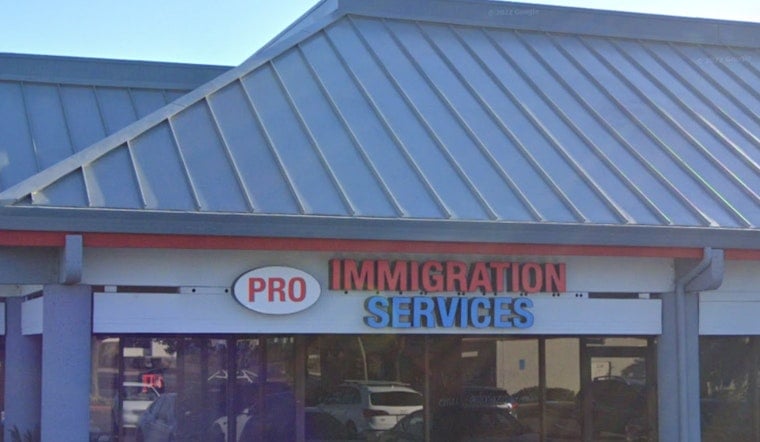
Three Sacramento-area immigration consulting outfits are staring down fraud lawsuits that claim they blurred the line between paperwork help and full-blown legal work, leaving vulnerable clients holding the bag.
Two attorneys with the Immigrant Rights Defense Council have sued Professional Immigration Services, Filatova Immigration Consulting and Manning & Sutfin, accusing them of misleading marketing and unauthorized practice of law that allegedly exposed customers to financial loss and immigration trouble.
According to Abridged, two of the named businesses have denied the allegations. Manning & Sutfin did not respond to the outlet’s requests for comment, and public records indicate the company’s state registration appears to have lapsed back in 2006.
What the Lawsuits Say
The complaints argue that the three firms crossed legal lines by offering what amounts to federal immigration-law services without the required licenses and by advertising in ways that obscure the fact they are not attorneys.
The cases are part of a broader campaign by the Immigrant Rights Defense Council and its lawyer Sebastian Medvei, who has pursued multiple actions under California’s Immigration Consultant Act. That enforcement push and related case history are outlined on FindLaw.
What Consultants Can and Cannot Do
Under California law, registered immigration consultants occupy a very narrow lane. They can type up forms, help collect documents and provide translation services. They are not allowed to give technical legal advice or represent clients in court.
Consultants must also register with the Secretary of State and carry a $100,000 surety bond meant to safeguard consumers, according to the Latin American Immigration Association.
State officials have been trying to get the word out. In a consumer alert last June, the California Department of Justice warned that notario fraud and other immigration scams “prey on the hopes of safety and stability of our immigrant communities,” and urged residents to seek help from accredited legal providers and nonprofit services instead of unvetted operators.
The four-county Sacramento region currently has about 78 active registered immigration consulting businesses. Statewide, the number climbed from 422 in 2024 to 533 in 2025, figures reported by Abridged. That growth, paired with the latest lawsuits, highlights how immigrants chasing affordable help are often navigating a minefield.
For anyone already working with a consultant, consumer advocates say a little verification goes a long way. Check the Secretary of State’s list of registered immigration consultants, ask to see proof of the $100,000 bond and a written contract, and keep receipts for every payment you make. The State Bar of California also publishes detailed tips on spotting immigration-service scams and provides vetted referral resources.
What Could Happen in Court
The new suits seek court orders under the Immigration Consultant Act that could bar the businesses from continuing the practices described in their advertising. They may also trigger claims for restitution against the consultants’ statutory bonds.
Appellate decisions show that judges can authorize public-interest lawsuits like those filed by the Immigrant Rights Defense Council while still limiting how much money can be recovered under bond statutes. The outcome in these Sacramento cases will likely turn on the evidence and legal theories each side brings, as discussed in prior rulings summarized on FindLaw.
All three businesses have so far denied any wrongdoing, and the litigation is still working its way through Sacramento courts. Legal aid organizations and immigrant advocates say the dispute is yet another reminder to double-check credentials and to seek out affordable, accredited legal help before signing contracts or handing over large fees.



