

























































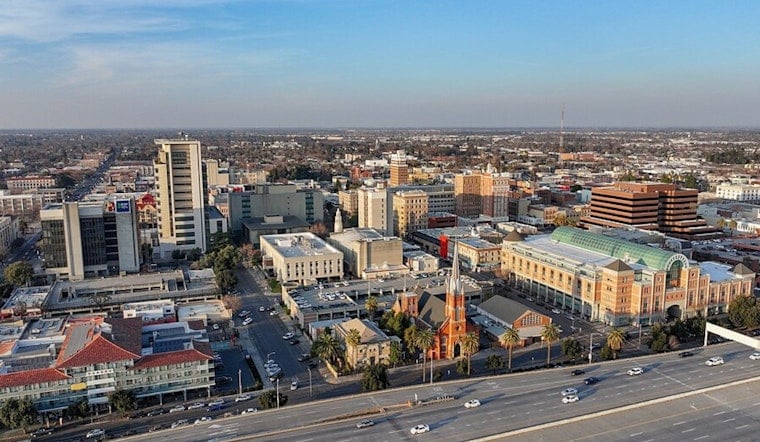
California’s job engine has quietly shifted into a new gear, and it is not just the usual coastal suspects grabbing the headlines. Fresh federal labor data released yesterday, show the state now claims four of the nation’s fastest-growing job markets: Stockton, San Jose, Fresno and Bakersfield. After a year of outsized hiring across parts of the Central Valley and pockets of the Bay Area, a mix of logistics, manufacturing and localized tech rehiring has pushed several inland metros up the national growth charts and nudged attention away from the big coastal giants.
BLS snapshot: April 2026 job totals
The U.S. Bureau of Labor Statistics' April metropolitan-area tables lay out payroll totals and year-over-year changes that highlight where hiring has clustered. The BLS shows the San Jose metro with about 1.168 million payroll jobs, San Diego roughly 1.580 million and the San Francisco metro about 2.422 million. Central Valley metros such as Fresno, Bakersfield and Stockton appear near 450,500, 305,100 and 286,600 payroll jobs, respectively, in the April 2026 tables. These same BLS tables record multi-thousand, one-percent-plus gains in several inland California metros, according to the U.S. Bureau of Labor Statistics.
San Diego Union-Tribune roundup: where California ranks
A Southern California News Group analysis published June 3 tallied BLS numbers in a spreadsheet and found that Stockton ranked second nationally for one-year job growth, adding about 6,000 positions, near a 2.1% gain, while San Jose, Fresno and Bakersfield also landed among the nation's top markets by percentage growth. That review, reported by the The San Diego Union-Tribune, lists San Jose in the national top ten and shows multiple Central Valley metros punching above their size on a percentage basis.
Why the Central Valley is pulling ahead
Economists point to a concentration of logistics, warehousing and food-processing hiring in the Valley, plus a less severe tech layoff cycle outside the Bay Area core. Beacon Economics' regional overview flagged the Central Valley for recent monthly gains, and local reporting has linked those employment shifts to rising demand for housing and industrial space in Fresno and nearby communities, per Beacon Economics and The Fresno Bee.
What this means for workers and housing
Job growth in inland metros can ease local unemployment and boost consumer spending, but it does not magically erase California's bigger affordability problems. Reporting in outlets such as the Los Angeles Times shows the state's labor picture remains uneven, with unemployment and wage pressure varying sharply by region. That unevenness often turns new jobs into stronger housing demand rather than immediate pay gains for lower-paid workers.
Outlook and a note of caution
Analysts warn that rankings depend heavily on which 12-month window is used and on annual BLS benchmark revisions, which have in past years reshuffled the top lists. Data shops such as RealPage have documented how revisions can move metros on and off the "fastest-growing" lists, and the Bureau of Labor Statistics will publish the May metropolitan-area update on July 1, 2026, which will offer the next look at whether California continues to place multiple metros near the top nationally.





