

























































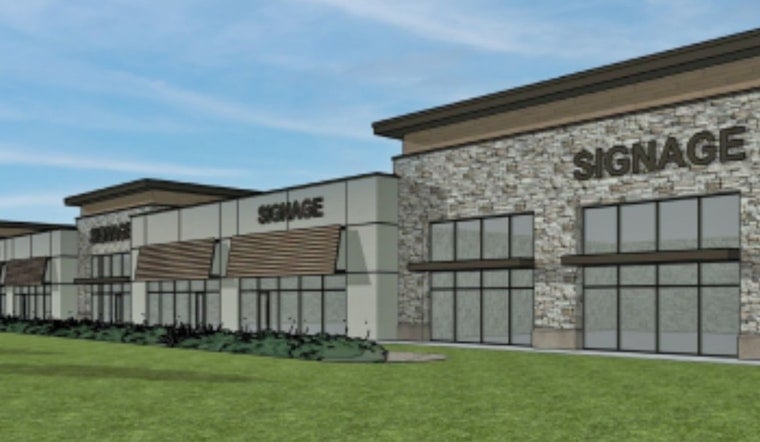
In west Roseville, a city-backed plan for a massive new community on Phillip Road has turned into a neighborhood flashpoint, with residents zeroing in on one slippery phrase in particular: innovation center. The proposal folds housing, retail and roughly 1 million square feet of commercial space into City-owned Reason Farms land at 6382 Phillip Road, and it has triggered packed hearings, petitions and a wave of sharply worded public comments over what that label could actually allow and how the project might hit local traffic, water and power.
What’s proposed
Developer Panattoni wants to reshape about 176 developable acres at 6382 Phillip Road into a mixed-use project with roughly 664 homes, 30,084 square feet of retail, 20,925 square feet of medical offices and approximately 1,011,032 square feet of innovation center buildings, plus parks, trails and a new electrical substation, according to the Draft Environmental Impact Report from the City of Roseville. The document anticipates 910 to 980 permanent jobs at full buildout and places the innovation center as the final phase of construction, along with listing the roadway and utility upgrades the project would trigger.
Neighbors fear 'data center' in disguise
Residents told local reporters they see the innovation center as a catch-all term that could quietly open the door to hyperscale data centers or other heavy industrial users. In response, organizers have launched a petition on Change.org and a coordinated public comment push against the rezoning, as reported by ABC10. The petition and a stack of community letters argue the land was acquired for stormwater management and open space and should not be turned into an intensive industrial enclave without clear limits. Recent Planning Commission meetings have been standing room only, with neighbors urging the city to lock in a much narrower project description.
What the city’s environmental review flags
The Draft EIR labels several impacts as significant and unavoidable, including transportation and circulation, construction and operational air emissions, greenhouse gases, noise and potential shortfalls in utility capacity, and notes that some mitigation measures may be deferred or difficult to enforce, according to the City of Roseville. City staff told the Planning Commission that public comments will be compiled and answered in a Final EIR before any rezoning or other entitlements are considered, which effectively makes the EIR the main battlefield for both supporters and opponents.
How vague is 'innovation'?
The state CEQA clearinghouse filing confirms an innovation center of about 1.01 million square feet and lists local actions such as a General Plan amendment and rezone tied to the proposal, a reminder of why critics say the label is both too open-ended and legally weighty; see the state record on CEQAnet. Community groups, including Save Reason Farms, argue the Draft EIR’s project description is not specific enough and have formally asked that the document be withdrawn, revised and recirculated. They warn that a single, umbrella term could cover anything from research labs to battery plants to data centers, each with its own very different environmental footprint.
Traffic, water and power worries
A traffic memo prepared for the Draft EIR by Fehr & Peers estimates the project would generate roughly 13,013 net new daily trips and about 114 daily truck trips tied to the innovation center, numbers opponents say would push local streets to the limit. The project’s wastewater master plan models a potential 40 MW data center on one parcel and estimates that a facility of that size could add about 0.16 million gallons per day of cooling-related discharge, findings published by Laugenour & Meikle. Together, those technical memos sit at the heart of residents’ demands for a sharper project description and firmer mitigation commitments.
Legal and next steps
The Draft EIR went out for public review this spring, and the state clearinghouse lists the public and agency comment windows; all comments must be addressed in a Final EIR before the city can act on a General Plan amendment, rezoning or other permits tied to the project, according to CEQAnet. If the Final EIR is certified and local approvals follow, the proposal would still need a General Plan amendment, site plan approvals and rezoning before any construction starts, a process that could stretch over many months and leave plenty of room for legal challenges.
What residents want
Community groups have asked the city to either require a much clearer project description now or to recirculate the Draft EIR until that detail is provided, citing possible legal flaws and an inadequate analysis of alternatives, as outlined in public comment letters posted by Save Reason Farms. City staff and the applicant say the EIR process is the proper venue to sort out impacts and that public comment and hearings will refine the record, a point also noted in local coverage. For the moment, the project stays in technical review while opponents keep pressing for hard limits on what exactly innovation is allowed to mean at the Phillip Road site.





