

























































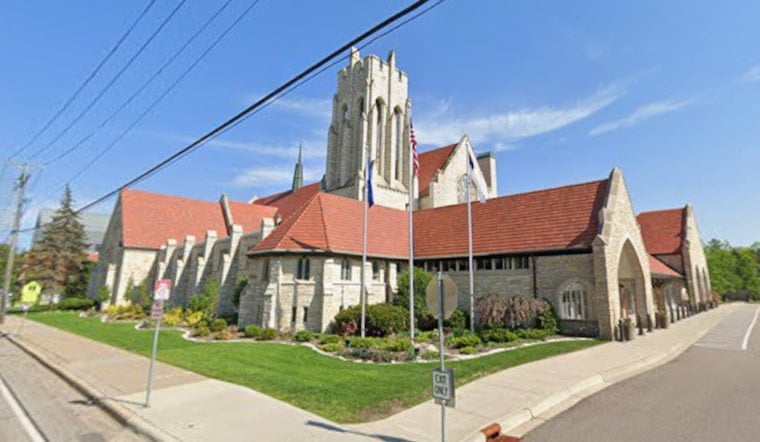
Mount Olivet Lutheran Church is looking to swap its little-used 1938 chapel across from the main sanctuary for something very 2026: a nonprofit brewery and coffeehouse pitched as a built-in neighborhood hangout. The plan just cleared a big hurdle when the Minneapolis City Council granted the church’s appeal on March 26, 2026, reversing an earlier denial. Church leaders are selling the project as a secular “third place” where neighbors can meet, volunteer, and spend time together from morning coffee through evening pints.
Why church leaders say the chapel cannot be saved
According to Mount Olivet’s facilities assessment, the chapel is carrying a heavy load of deferred maintenance, including asbestos, mold, water infiltration, failing slate roofing, and interior damage. The report also notes that the 1930s structure sits on older foundations that complicate any repair work. The church’s cost summary for city reviewers pegs necessary repairs plus ADA upgrades at roughly $11.4 million, as outlined in Mount Olivet’s applicant presentation filed with the City of Minneapolis.
What the proposed building would include
Early designs call for a two-level, roughly 15,000-square-foot building with a large open room at its core. One side would hold a small coffee bar, the other a larger brewery space, with meeting rooms on a mezzanine level plus patio and rooftop seating. Church leaders say they hope to deconstruct portions of the chapel so stone, stained glass, and wood can be salvaged and reused, and they have cited a preliminary new-build estimate in the 6 to 7 million dollar range. “Could we create a community gathering place, given the pandemic of isolation?” Pastor David Lose asked, in remarks reported by Twin Cities Business, which also notes the church estimates a foundation probe would cost about 20,000 dollars.
How the city decided
The Heritage Preservation Commission unanimously voted in February to deny the demolition application, arguing that the Kasota-stone chapel is an intact example of Gothic Revival architecture. Mount Olivet appealed, and on March 26, 2026, the City Council granted the church’s request after concluding the record showed no reasonable alternatives to demolition. The council’s vote and findings are documented in its March 26 proceedings.
Neighbors, preservationists and the local market
Preservation advocates and some neighbors have pushed for alternatives, saying the chapel is architecturally significant and should be studied for potential designation. Church leaders respond that renovating the building would be economically infeasible and would not provide the flexible community space they envision. Supporters of the proposal point to neighborhood parking and programming needs as reasons to keep the site active, while critics warn that losing an intact historic chapel is a significant cultural loss. The project also arrives in a local hospitality market that has thinned recently, as the Star Tribune reported that Wild Mind Ales and its Wild Grind coffee operation closed last fall, taking away one nearby all-day brewery and coffee option.
What comes next
Before any walls come down, Mount Olivet still needs rezoning approvals, a finalized business plan, design review, and a demolition or deconstruction permit. Church leaders say they intend to form an independent nonprofit to own and operate the venue and to hire experienced operators for both the brewery and the coffeehouse. The church has said it prefers deconstruction where feasible so historic materials can be reused, and it plans to complete required technical studies, including any foundation testing, before committing to construction. Timelines will hinge on rezoning, financing, and permitting, but with the council approval in hand and cost analyses laid out, the congregation is now preparing for those next steps.



