

























































A Baltimore-based developer quietly pulled the plug Thursday on a rezoning push that would have added 195 townhomes just off Mallard Creek Road in Charlotte’s University neighborhood, dialing down a heated neighborhood fight over density and safety. The retreat brings nearby homeowners some breathing room, though the land can still be built out under current zoning rules.
What Was Pulled
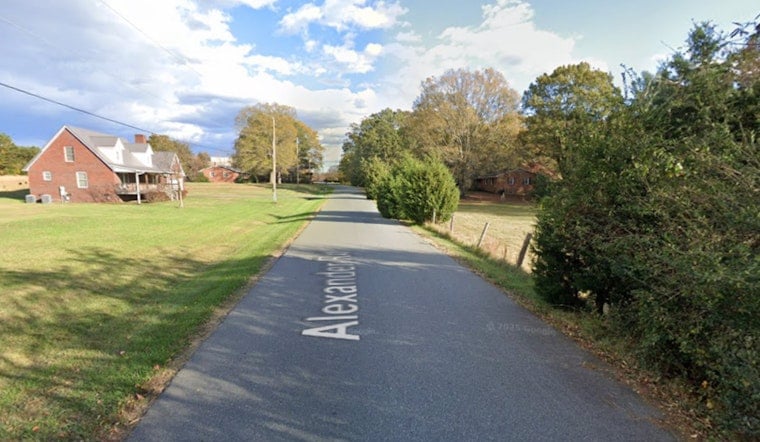
City records show Atapco Properties filed Rezoning Petition 2025-094 to allow the Ashemore Townhomes, a proposal for up to 195 attached residential units on roughly 19.54 acres at 2908 Alexander Road, according to the City of Charlotte. Site plans laid out new local streets and connection points to Alexander Road and College View Lane, routing through the adjacent Aria at the Park development and effectively knitting the projects together.
Neighbors Warn Small Streets Would Feel It
The Ashemore parcel sits next to an established townhome community, and residents have repeatedly warned that more units would mean more cars piling onto narrow neighborhood streets and backing up onto Mallard Creek Road during school drop-off and rush hour. Homeowners said they worried their quiet internal streets would morph into handy cut-throughs for drivers dodging congestion on the main road.
Neighbors Raised Traffic And Safety Alarms
The developer later withdrew the rezoning request, as reported by The Charlotte Observer, after residents testified about congestion and safety during public hearings. The Observer noted the area already has multiple projects underway and cited city data showing 21 crashes on the roughly one-mile stretch of Mallard Creek Road by Mallard Creek Elementary in the past two years. Neighbors and councilmembers pointed to those collision numbers as a central reason to hit pause.
Why Fixes Are Slow
Mallard Creek Road is a state-owned route, so basic safety upgrades like new crosswalks, a traffic signal or a lower school-zone speed limit need approval and funding from the N.C. Department of Transportation. The agency points out that the state maintains roughly 80,000 miles of roadway, about 80 percent of the system statewide, which complicates local fixes, according to the N.C. Department of Transportation. Regional planners also schedule major widenings far into the future: the Charlotte Regional Transportation Planning Organization’s Destination 2055 documents place some corridor widenings in the 2046–2055 window, underscoring how long a state-funded solution can take to materialize.
What Atapco Can Still Do
With the rezoning withdrawn, Atapco still keeps its by-right development options for the parcel and could pursue a lower-density plan that does not require City Council approval. The petition’s site plans showed how proposed streets would connect through Aria and to Alexander Road and College View Lane, meaning any future project would still reshape neighborhood traffic patterns, according to City of Charlotte filings.
Neighbors are treating the withdrawal as a temporary reprieve, not a final victory, and say they will be watching closely for any new filings or revised proposals. City staff and regional planners are the ones to watch too, especially for residents who want traffic controls or state-level investment to move faster than the long timelines already on the books.





