

























































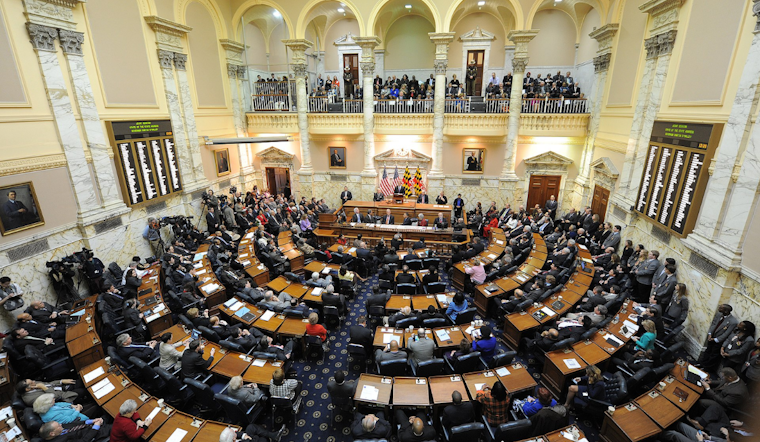
Maryland lawmakers have signed off on a sweeping new rule that tells prosecutors to keep their hands off most rap lyrics and other artistic work in criminal and juvenile trials. The Protecting Artists' Creative Expression Act, or PACE Act, cleared the General Assembly this month after a multi-year push. Supporters say the change will stop prosecutors from treating songs and scripts like sworn statements, while critics warn it could tie investigators' hands. The measure applies to songs, poetry, film, and other forms of copyrighted creative expression.
Gov. Wes Moore is expected to sign the measure on May 12, according to CBS Baltimore. Backers have framed the bill as a check on racial bias in prosecutions and a safeguard against juries confusing an artist's onstage persona with their real-life behavior.
What the Law Actually Says
As detailed in the enrolled bill from the Maryland General Assembly, the statute defines "creative expression" broadly to include music, dance, poetry, film and visual art. By default, that material cannot be used against a defendant.
To get around that default, prosecutors will have to convince a judge, by a preponderance of the evidence, that the author meant the work to be taken literally (or later adopted its literal meaning), that it refers to specific facts of the alleged offense, and that it is relevant to a disputed issue of fact in the case. The same standards will apply in criminal and juvenile proceedings. The law is written into the state code with an effective date of October 1, 2026.
How the Push Built Momentum
Del. Marlon Amprey of Baltimore spearheaded the multiyear effort, backed by industry allies who organized under the Free Our Art campaign to lobby lawmakers in Annapolis. "If a song isn't related to the trial, it shouldn't be used in court," Amprey told CBS Baltimore.
Kevin Liles, the campaign's chairman and a Baltimore native, helped rally support and said the coalition secured the backing of Baltimore City State's Attorney Ivan Bates. For artists and their advocates, the bill is aimed at drawing a line between storytelling and self-incrimination, particularly in genres like rap that lean heavily on hyperbole and character.
Legal Fight and Early Blowback
Not everyone in law enforcement is thrilled. The Maryland State’s Attorneys’ Association pushed back, arguing that the bill could make it more difficult to introduce evidence of threats, intimidation or witness tampering when those messages are wrapped in the language or trappings of art.
At the same time, Baltimore City State's Attorney Ivan Bates broke with some of his colleagues and testified in support of the measure, describing it as an important check against using creative work as backdoor character evidence, according to The Daily Record. In other words, he argued, juries should not be invited to assume that an artist must be violent simply because their lyrics are.
Where Maryland Fits in the National Trend
Maryland is now part of a small but growing club of states that have tightened the rules on using lyrics and other creative work in court. California passed a Decriminalizing Artistic Expression law in 2022, and Louisiana followed with related protections in 2023, as tracked by Rap On Trial and state legislative records.
Supporters of these laws point to recent appellate reversals and vacated convictions in Georgia, Texas, Tennessee and New York as warning signs that relying too heavily on art in the courtroom can lead to wrongful outcomes. That pattern is described in legislative testimony filed in Annapolis and in other official records, including materials from the Maryland General Assembly and the Louisiana Legislature.
With the governor expected to sign and an October 1, 2026 effective date already set in statute, Maryland's PACE Act will be closely watched by artists, defense attorneys and prosecutors as similar proposals surface in other statehouses. Supporters say the law simply asks judges to separate creative license from actual confession. Critics counter that courts already have tools for screening evidence and worry that this new rule may keep genuinely probative material away from juries.





