

























































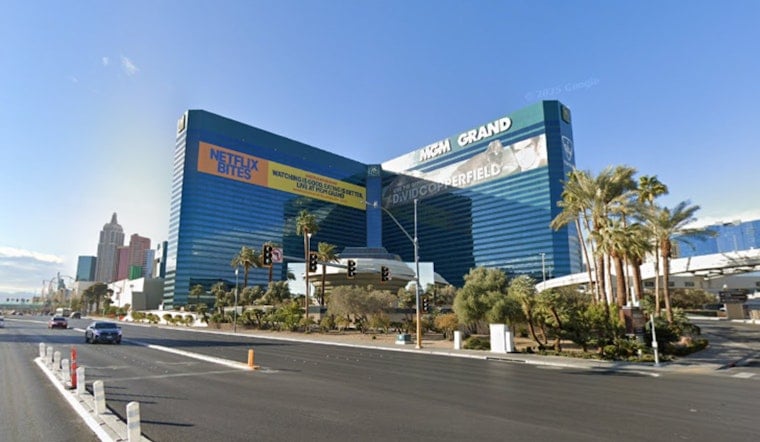
WrestleMania weekend did not stop at the ring. It spilled straight off the Strip and into the MGM Grand, where several WWE performers say they were harassed, followed and swarmed by overzealous fans. A late-night lobby confrontation went viral, MGM Grand publicly defended its response and now everyone from talent to promoters to hotel brass is arguing over how access was handled. The incidents, from alleged bathroom stalking to phones knocked out of fans' hands, have shoved hotel security and fan etiquette under a hot Vegas spotlight.
Hotel answers safety complaints
In a statement to the Las Vegas Review-Journal, MGM Grand said it maintains a multi-year relationship with WWE, works closely with WWE security and "prioritizes safety" for both guests and performers. The hotel added that it coordinates staffing with event partners for busy weekends, according to the outlet. The Review-Journal also noted that WWE did not respond to requests for comment at the time of publication.
Veteran wrestlers rip 'worst' security they have seen
Behind the scenes, some long-time names did not hold back. Several veterans described the scene as chaotic and invasive, with Booker T calling it one of the worst experiences he had seen and Sean Waltman saying fans "stalked" performers into private spaces, according to Slam Wrestling. Drew McIntyre also blasted late-night behavior aimed at his family, saying fans "kept your kids up till 2am" and warning that rushing families was unacceptable, in a post covered by WrestleZone. Those firsthand accounts have amplified a larger conversation inside WWE about how to protect talent without completely cutting off fan access.
Viral lobby clip fuels debate over boundaries
One video did most of the talking. Footage circulating online shows CM Punk confronting a fan in the MGM Grand lobby and swatting a phone out of his hand, a clip posted by TMZ Sports. TMZ later reported that the fan is not pursuing legal action and says he simply wants an apology, a detail that quickly reframed the dustup as a dispute over personal space rather than a looming criminal case. Even so, the clip has pushed performers and promoters to publicly question how talent are protected while moving through public areas during major event weekends.
Reports say some stars quietly switched hotels
Backstage reporting that cited Fightful Select said some performers opted to change hotels during the week to get away from persistent crowds, a development covered by outlets including WrestleZone. Sources described the combination of a casino-attached property and a massive fan turnout as a recipe that made it hard to control lobby access without extra staffing or private back routes. Not every outlet could independently confirm who moved where, which has left parts of the narrative still unsettled.
Attendance and scale crank up the pressure
WWE's post-event release says WrestleMania 42 drew 106,072 fans across two nights, making it one of the company's highest-grossing shows and concentrating huge crowds around Strip hotels. WWE's statement framed the weekend as a commercial win, while investor materials from TKO Group Holdings pointed to roughly 124,000 attendees at last year's two-night WrestleMania. TKO's figures underscore how even modest shifts in turnout can change where and how fans gather offsite.
What organizers, talent and fans say needs to change
Some representatives told SEScoops that this kind of weekend could trigger contract talks over security minimums and staffing levels, with agents suggesting that private security details and clearer access protocols might be negotiated for future mega cards. For now, MGM Grand says it will continue coordinating with WWE and security partners, while fans and performers watch to see whether those conversations produce concrete changes before the next big event rolls into town.
At the moment, the dispute is centered on logistics and personal boundaries rather than formal charges. Still, the flare-ups have highlighted a familiar tension in modern fandom: how to let people get close to the stars without putting those same stars in uncomfortable or unsafe situations. How hotels, promoters and performers strike that balance will be an early test of whether WrestleMania-level weekends can stay both accessible and safe.


