

























































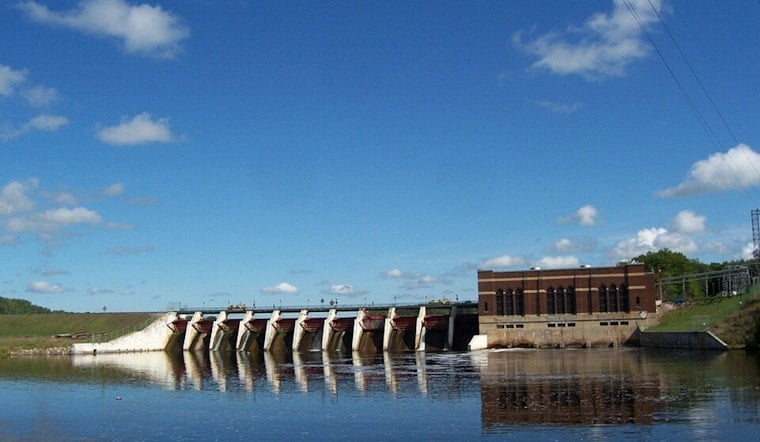
Michigan environmental regulators say the state has put about $44.5 million into repairing, altering, or removing aging dams since 2021, but that spending barely dents an estimated $1 billion in work needed to bring structures up to modern safety standards. The warning covers an inventory of roughly 2,500 dams, many built in the late 1800s and early 1900s, and comes at a time when heavy spring runoff is already stress‑testing rivers and lakes statewide. Officials argue that without more money and sharper oversight, communities remain exposed to flooding and infrastructure failures that they say are both predictable and preventable.
At a Traverse City meeting this week, the Michigan Department of Environment, Great Lakes, and Energy laid out the size of the shortfall along with a package of policy and funding ideas. “We have a solid foundation in place, and now we need to strengthen our tools that support dam safety,” EGLE Director Phil Roos said, according to EGLE. The agency says its Dam Risk Reduction Program has invested about $44.5 million since 2021 and supported 56 projects between 2022 and 2025, including 20 dam removals, 16 rehabilitation efforts, and 20 engineering studies.
Lawmakers in Lansing have already put some ideas on paper. House Bill 5485, introduced Jan. 29 by Rep. Bill Schuette, would tighten registration, inspection, and design standards for dams and create a dam‑risk grant and emergency fund, according to the Michigan Legislature. The proposal has been getting extra attention during this spring’s flooding, with local reporting and state briefings spotlighting the legislation and its timing, as covered by Michigan Advance and CBS News Detroit.
Where the Money Went
Officials are quick to point to the Boardman‑Ottaway River restoration in northern Michigan as proof that careful investment can pay off. In that project, partners removed three aging dams and reconnected more than 160 miles of river and tributaries, while the Union Street site is being rebuilt as the FishPass project, designed to improve safety and restore fish passage, according to a baseline assessment from the U.S. Geological Survey and state briefings. EGLE says it provided both funding and regulatory support for the Union Street work, which officials now hold up as a template for marrying public safety, recreation, and ecological restoration in a single package.
Why $1 Billion, and Who Would Pay?
That $1 billion figure represents a statewide estimate of the repairs, removals, and upgrades needed to bring higher‑risk dams in line with current design standards, according to CBS News Detroit. Under the bills on the table, dam owners would have to register their structures, file inspection and maintenance plans, and prepare emergency‑action plans, while the state would set up grants and an emergency fund to tackle the most urgent projects, per a summary at LegiScan. Supporters say the basic idea is to make owners more accountable while reserving limited state dollars for the dams that pose the greatest risk.
That balance matters because only about 1,100 of Michigan’s dams fall directly under state regulation, while the rest are in the hands of private or local owners, which can complicate both oversight and funding. Tribal partners and local officials who joined the Traverse City event stressed that removal or rehabilitation can boost recreation and restore ecosystems at the same time, it cuts long‑term risk, according to reporting from Michigan Advance. Community leaders say the timing of inspections, grant awards, and any new fees will determine whether towns and private owners can move fast enough before the next high‑water season rolls in.
Legal Implications
Hovering over every policy discussion is the memory of the 2020 Edenville and Sanford dam failures and the litigation that followed, which highlighted how questions about ownership, licensing, and regulation can leave both victims and taxpayers tied up in court, according to the Associated Press Detroit. Sponsors say the current bills are meant to spell out owner responsibilities more clearly while creating pathways for public assistance when owners cannot act, a shift they argue could reduce physical risk and legal confusion at the same time. At the same time, the proposals would bring new compliance costs for dam owners and local governments, which legislators will have to sort through in committee and during budget talks.
Next up are hearings and negotiations in Lansing that will determine whether the recommendations turn into law and how far the state is willing to go in covering the repair tab. House Bill 5485 remains parked in the House Committee on Natural Resources and Tourism, and lawmakers still have to make decisions on inspection schedules, fee structures, and how large any emergency fund should be, according to the Michigan Legislature. For now, state officials are publicly backing a mix of tighter oversight and significantly more funding as the most realistic way to protect communities and infrastructure across Michigan.





