

























































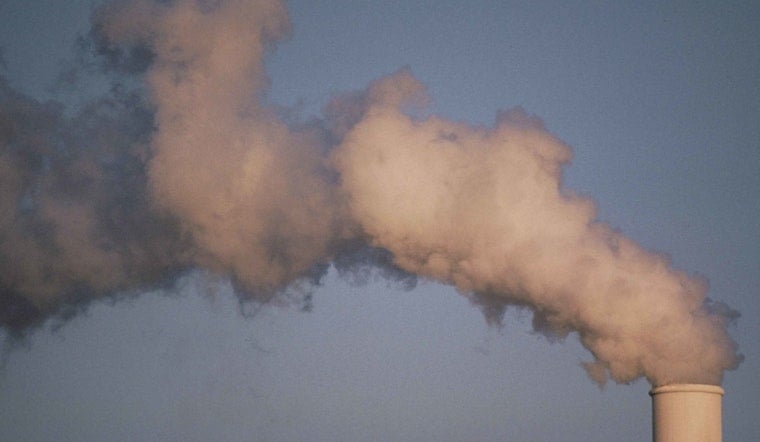
The Milwaukee-Racine-Waukesha metro is climbing the wrong kind of national list. A new air-quality scorecard finds ground-level ozone smog worse than last year, with short-term bursts of fine particle pollution happening often enough to earn failing grades. Local monitors logged dozens of orange and red ozone days and multiple spikes in PM2.5, the tiny soot particles that doctors warn can help trigger asthma attacks and heart problems. On paper, the metro squeaks by on the year-round particle average, but those daily surges are what push counties into the failure column and keep health officials warning families and outdoor workers to be cautious.
What the report found
According to the American Lung Association, the Milwaukee metro ranks 22nd-worst nationwide for ground-level ozone and 46th for short-term particle spikes, while improving to 78th for year-round particle pollution. The organization’s county tables show Milwaukee County averaging about 3.8 unhealthy short-term particle days and logging roughly 22 orange ozone days and two red ozone days from 2022 to 2024. “Clean air is essential to the health and wellbeing of families across Wisconsin,” the American Lung Association said as it urged policy action to better protect children and outdoor workers.
County hotspots and local tallies
Local reporting breaks the picture down county by county. Racine averaged about 10.7 unhealthy ozone days per year, Kenosha recorded dozens of orange ozone days and several red days, and Ashland stood out as the lone Wisconsin county to earn an A. The tallies underscore just how uneven the burden is across the state, with lakeshore areas plus industrial and transportation corridors repeatedly flagged as trouble spots. The Milwaukee Journal Sentinel broke down the county figures and local reaction.
Health guidance and local resources
State health officials advise people to limit time outdoors and keep windows closed on orange-and-worse days, especially for kids, older adults and anyone with lung or heart conditions. The Wisconsin Department of Health Services posts outdoor-activity guidance tied to unhealthy Air Quality Index levels, and the city’s health pages direct residents to real-time AQI maps plus suggested precautions for outdoor workers. Residents without air conditioning or filtered indoor spaces are encouraged to look for cooling or clean-air options at local libraries, shelters and community centers.
Local groups push for action
Community groups and health advocates say the new rankings should serve as a wake-up call for state and local leaders. Organizations such as MKE FreshAir Collective are organizing air testing, outreach and fundraisers while pressing officials for more monitoring and deeper emissions cuts. The American Lung Association is also urging federal regulators to strengthen protections and avoid rollbacks that would leave children breathing even dirtier air.
On orange or worse days, parents and employers are urged to move activities indoors when possible, keep quick-relief inhalers close at hand and shorten strenuous outdoor plans. Checking local AQI maps and health department pages before scheduling practices, work shifts or long outdoor errands can help residents dodge the worst of the smog and soot.





