

























































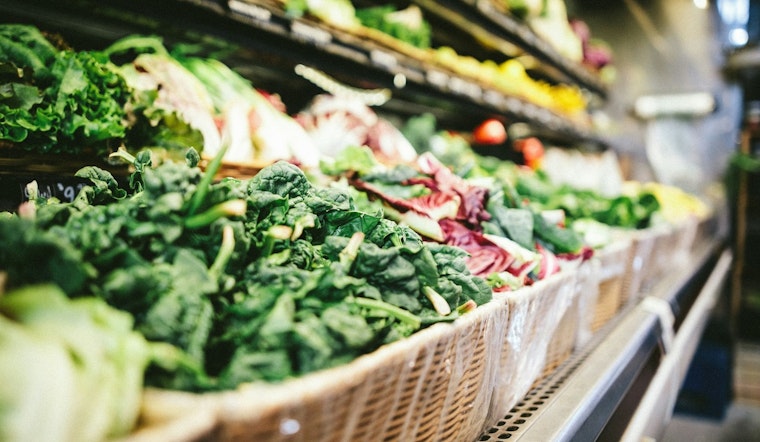
New federal dietary rules that steer Americans toward “real food” and protein-heavy meals could drive up grocery tabs by roughly 30%, or about $1,000 a year, according to analysts and local relief groups. In Nashville, shoppers and food pantries say the squeeze is already on as prices for meat and fresh produce climb, and nonprofits report longer waiting lists and rationed protein donations as families juggle tighter budgets.
Modeling from Numerator shows that following the new food pyramid would push monthly per-person grocery spending from about $106 to $139. That 32% jump comes out to roughly $1,012 more per household each year. The analysis finds much of the extra cost comes from perimeter categories like fresh meat and produce as shoppers move away from cheaper, center-aisle processed items.
What the new guidelines recommend
The Departments of Health and Human Services and Agriculture rolled out the Dietary Guidelines for Americans, 2025–2030, centering federal advice on “real, whole, nutrient-dense” foods and a protein-forward plate. As outlined on the government’s RealFood.gov site and in the HHS release, the guidance calls for protein targets of about 1.2 to 1.6 grams per kilogram of body weight. It elevates full-fat dairy, vegetables, and fruit, while strongly discouraging highly processed products. Officials frame the guidelines as a flexible blueprint meant to improve long-term health and cut diet-related chronic disease.
Where the price pressure comes from
Numerator’s modeling finds that shifting calories toward perimeter items such as meat, dairy and fresh vegetables drives up the total at checkout because those items cost more per calorie than many shelf-stable staples. Recent data from the USDA Economic Research Service show upticks in prices for beef and fresh vegetables, which means existing inflation and the new guidance could collide in shoppers’ carts. Taken together, the numbers suggest that lower-income and larger households are likely to have the hardest time meeting the recommendations without extra support.
Local impact: pantries and shoppers in Nashville
In Nashville, people on the front lines say they are already feeling the strain. As WSMV reported, one Instacart shopper described seeing ribeye priced near $30 and said she had switched from dairy to nondairy options to keep her bill in check. The Store told WSMV it has about 3,000 people on its waiting list and has started limiting how many protein items each family can take so that supplies last.
Officials push affordability messaging
Federal agencies are trying to counter the perception that the guidelines are only for people with big budgets. The USDA Food and Nutrition Service says it ran thousands of meal simulations and concluded that healthy, real-food meals can cost as little as $3 per serving. The department is rolling out tools and updating SNAP retailer requirements to make nutrient-dense choices easier to find. Analysts, however, point out that computer-modeled meals do not erase the immediate sticker shock for families walking into stores where perimeter prices have already climbed.
What retailers and relief groups say
Grocers and brands are expected to adapt by leaning into value packs, promoting frozen or canned proteins and improving labeling, moves that could ease some of the cost pressure over time. Food Business News reviewed Numerator’s analysis and notes that perimeter departments have been growing for years, giving retailers time to adjust pricing strategies and private-label offerings for value-focused shoppers. In the near term, community organizations say stronger partnerships and policy support will be crucial to keep healthier food options within reach.
The guidelines sharpen the national nutrition conversation while highlighting the real tradeoffs between health and affordability that neighborhoods like Nashville are already wrestling with. For readers who want to dig into the full recommendations and the shopping-basket math, start with the government’s RealFood.gov hub and Numerator’s full writeup.



