

























































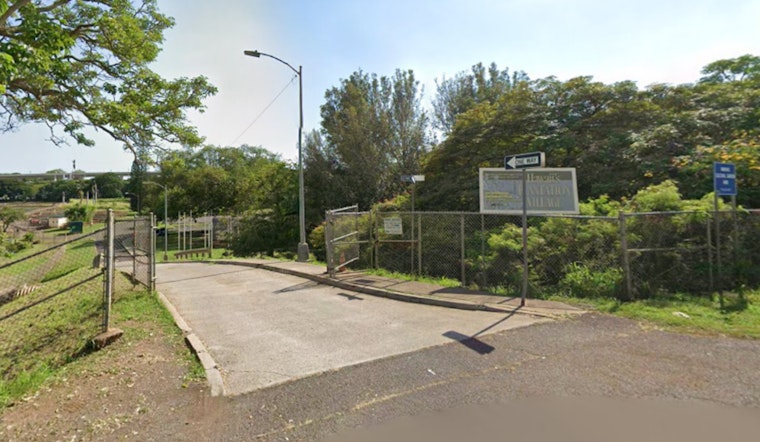
One of Oahu’s most secluded World War II sites is about to step out of the shadows. The National Park Service will begin limited public tours of Honouliuli National Historic Site this summer, giving visitors a rare look at foundations, an aqueduct and other remains from a camp that once held thousands of prisoners of war and hundreds of civilian internees.
As reported by SFGATE, the park plans to offer small, once-a-month tours that start at Hawaii’s Plantation Village, where visitors will board a shuttle into the remote valley that hides Honouliuli. “The site provides opportunities for public education about the World War II internment story in Hawaii,” Superintendent Christine Ogura told SFGATE, adding that staff are still clearing thick vegetation and combing through historic records ahead of public access.
What Honouliuli Is
Tucked into a deep gulch on the Ewa Plain, Honouliuli preserves the remnants of the island’s largest and longest-running World War II incarceration site. The unit spans about 123 acres and, according to the National Park Service, once confined roughly 4,000 prisoners of war along with hundreds of civilian internees before the camp was dismantled in 1946.
How the Site Was Rediscovered
After the war, the camp all but vanished from public view and memory. Volunteers from the Japanese Cultural Center of Hawaiʻi launched a years-long search after a 1998 inquiry and in 2002 finally located surviving traces of the site, according to the Japanese Cultural Center of Hawaiʻi. The center now stewards artifacts and public education about Honouliuli, and that groundwork helped spur federal preservation efforts that ultimately brought the site into the National Park System.
Access, Landowners and Planning
Getting people into Honouliuli is not as simple as opening a gate. The park does not own land that connects the gulch to any public roadway, and access crosses University of Hawaiʻi–West Oʻahu property along with other private parcels, according to the site’s foundation document. Corporate land transfers have played a major role in saving the area. Companies that previously owned the land, including Monsanto, now part of Bayer, donated key acreage and pledged additional parcels, National Parks Traveler reported. Park leaders say those land use and access constraints are why early visits will be tightly managed while planning, negotiations and community outreach continue.
Visitor Basics
Tours will kick off at Hawaii’s Plantation Village in Waipahu, where visitors will board a shuttle to the gulch, then walk roughly three-quarters of a mile downhill into the valley, as noted by SFGATE. Outlets differ on when the public will actually get in. SFGATE reports that the park plans to begin visits this summer, while HONOLULU Magazine previously reported an earlier goal of launching monthly tours in spring 2026. Officials say the final schedule and registration details will appear on the park’s website once they are ready.
According to National Parks Traveler, staff and partner groups have already been running private walkthroughs, tackling invasive vegetation and doing outreach while the site is prepared for public use. For updates on tour dates, sign-ups and community events, the park says information will roll out on its website and social media channels.





