

























































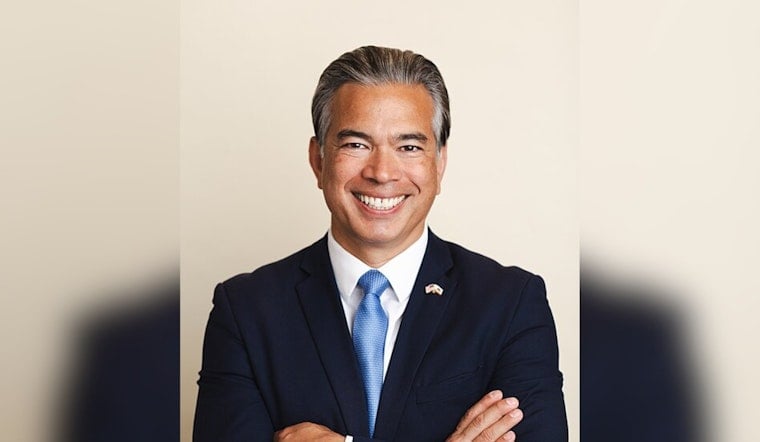
California Attorney General Rob Bonta is moving fast to keep President Trump’s mail voting plan from ever getting off the ground. Yesterday, Bonta led a coalition of 23 state attorneys general, joined by Pennsylvania Governor Josh Shapiro, in asking a federal court to permanently block Executive Order No. 14399, which targets mail voting ahead of the 2026 elections. The motion for summary judgment, filed in the U.S. District Court for the District of Massachusetts, asks the court to vacate the order before it takes effect, arguing that it would shift operational control of mail ballots from states to federal agencies and could disenfranchise voters who depend on voting by mail.
Bonta rolled out the latest move in a post on X and in a press release from the California Attorney General's Office. The filing comes from a multistate coalition co-led by Massachusetts Attorney General Andrea Joy Campbell, Nevada Attorney General Aaron Ford, and Washington Attorney General Nick Brown. In asking for summary judgment, the group argues that “the law is on our side” and that the dispute can be resolved quickly without a long slog through discovery, according to the California Attorney General's Office.
What the order would do
Executive Order No. 14399 instructs federal agencies to assemble state-specific citizen lists and directs the United States Postal Service to create a federally managed “Mail-In and Absentee Participation List.” Those steps would alter how mail ballots are transmitted and processed nationwide, according to the text of the order as outlined by the White House. Voting-rights advocates warn that the structure of the plan could leave out overseas voters, recently naturalized citizens, older voters, and people with disabilities. That concern is detailed in a separate lawsuit filed in Massachusetts by civil-rights organizations, including the ACLU of Massachusetts.
Court timeline
The coalition’s motion for summary judgment landed on April 23 and asks the court to decide the case on the legal briefs without drawn-out fact-finding. According to Rob Bonta’s post on X, the District Court has ordered the Trump administration to respond by May 7 and has scheduled a hearing for June 2 at 7:00 AM PT / 10:00 AM. ET. That timeline, along with other docket moves tied to the March 31 order, is being tracked by national litigation monitors such as Just Security, which is following the multiple lawsuits the order has triggered.
We’re filing a motion to permanently block President Trump’s executive order that would restrict mail voting.
— Rob Bonta (@AGRobBonta) April 24, 2026
Facing clear political headwinds in the midterms, he’s throwing everything at the wall and hoping something sticks.
This illegal order will not.https://t.co/ZFGLdtqHdw
Legal implications
In court filings and the California Attorney General’s press release, the states contend that Executive Order No. 14399 is ultra vires, unlawfully commandeers state election machinery in violation of the Tenth Amendment, and conflicts with statutes governing the Postal Service and federal rulemaking. Those legal arguments, described in the California Attorney General's Office release and the coalition’s briefs, form the basis of the request for a permanent injunction that would prevent the order from being implemented.
Why this matters in California
California’s elections are deeply reliant on mail ballots, and state officials warn that a sudden federal overhaul could sow confusion for both administrators and voters. As KQED has reported, nearly 89% of ballots in a recent special election were cast by mail, underscoring how disruptive any shift in the rules could be here.
The administration’s May 7 filing and the June 2 hearing are the next key moments to watch as the case moves forward. Judges will decide whether to rule on the written arguments or move into a longer process. Whatever the District Court decides, appeals are likely, setting up a fast-moving legal fight that could reach higher courts well before the November midterms.





