

























































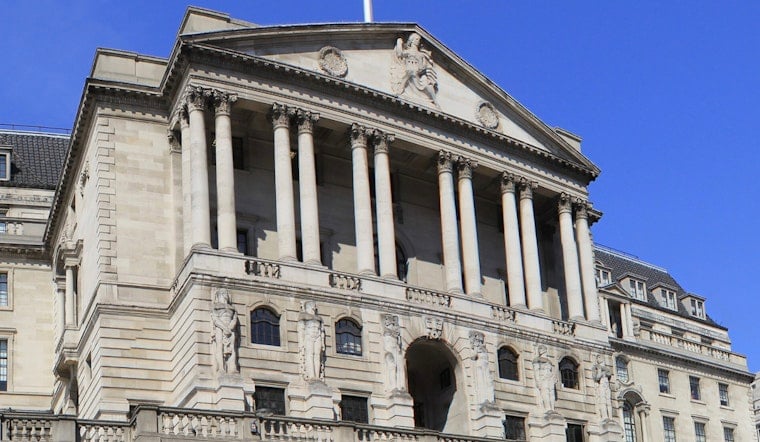
London’s long-awaited spring rate cuts have been shoved to the back burner. The Bank of England has kept Bank Rate parked at 3.75% as policymakers wrestle with a sharp energy shock that has sent oil prices surging and blown open the range of possible inflation outcomes. Minutes from the central bank’s April meeting reveal a split committee and a much murkier outlook after Brent crude jumped in the wake of the Iran war tightening flows through the Strait of Hormuz.
Minutes Signal Caution Instead Of Relief
The latest minutes show the Monetary Policy Committee voting 8 to 1 to hold Bank Rate at 3.75% at the meeting that ended on April 29, with one member arguing for a 25 basis point hike, according to the Bank of England. Alongside the decision, the Bank laid out three scenarios that emphasize upside inflation risks and warned that, depending on how energy prices evolve, policy might have to tighten to keep inflation headed back toward target.
Oil Shock Flips The Script
Brent crude briefly burst above $126 a barrel on Thursday as traders bet on a drawn out hit to Middle East supplies, a spike that has abruptly changed the central banking calculus across the globe, according to The Associated Press. Bank Governor Andrew Bailey told reporters that the current rate is “a reasonable place given the situation of the economy,” stressing that geopolitics, rather than domestic demand, is now steering the outlook.
Big Central Banks Hold The Line Together
The Bank of England’s move slots neatly into a pattern among major central banks this week. The U.S. Federal Reserve, the European Central Bank and the Bank of Japan also left their policies unchanged as they assess the inflation shock from higher energy costs, according to The Guardian. The shared stance reflects the same uncomfortable trade off in every capital: tighten policy now to head off another inflation flare up and risk triggering recession, or sit tight and hope the oil surge fades.
Economists Watch For Second Round Fallout
Economists point out that a growth slowdown could help contain wage and price follow through from the oil spike. But if crude keeps grinding higher, they say policymakers will be boxed into tightening anyway. “But if oil prices continue to move higher, it is hard to see how the Bank avoids having to hike later this year,” Aberdeen deputy chief economist Luke Bartholomew told The Associated Press.
What Higher For Longer Means On The Ground
For markets, homeowners and businesses, the message is blunt: those near term cuts that traders were banking on this spring are off the cards. Investors have shifted to a higher for longer view on interest rates, pushing up yields and borrowing costs, according to analysis from Bloomberg. That repricing is already feeding through into pricier mortgages and tougher terms on corporate refinancing, even as central banks try to juggle inflation control with keeping growth alive.
The Monetary Policy Committee reiterated that it “stands ready to act as necessary” to steer inflation back to 2%, leaving the door open to future tightening if the energy shock sticks, according to the Bank of England. Between now and the next policy meeting in June, investors will be poring over fresh oil market data and every new reading on the UK labour market for clues about which way the Bank turns next.


.jpg)