

























































ONE Transit, the agency that recently rebranded from the Regional Transportation Authority of Central Oklahoma, says its long‑talked‑about north–south commuter‑rail line is no longer just a sketch on planning maps. With fresh federal planning money in hand and an aggressive outreach calendar on deck, officials say they are steering the Edmond–downtown Oklahoma City–Norman corridor toward a public vote that could land within roughly a year to 14 months, according to board materials and staff briefings.
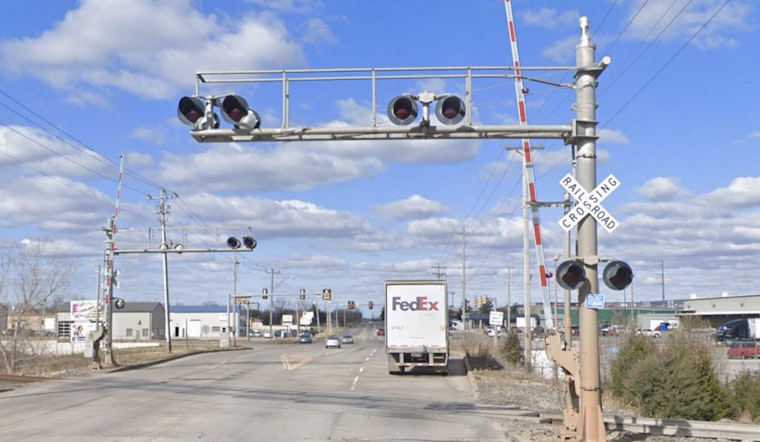
In a press release, ONE Transit said it secured $400,000 from the U.S. Department of Transportation’s Railroad Crossing Elimination (RCE) program to study 52 at‑grade crossings between Edmond and Norman. The Oklahoma Department of Transportation will kick in a 20% state match, and the resulting master plan is intended to rank where expensive fixes such as grade separations, targeted safety upgrades or outright closures should happen first. “This grant will allow us to evaluate and determine which crossings will need upgrades,” Interim Executive Director Jason Ferbrache said in the release.
What the crossing study will examine
As outlined by the Oklahoma Department of Transportation, the master plan will dig into safety, mobility and environmental impacts across all 52 crossings on the BNSF Red Rock Subdivision. The state’s project narrative flags a key tradeoff: if commuter trains are added, train counts and speeds could rise, which raises the stakes at every intersection where tracks meet roads. The study is set to develop alternatives ranging from full grade separations to narrower safety enhancements, all aimed at cutting collisions and keeping traffic moving. ODOT and ONE Transit say the document will double as the technical backbone for future federal grant applications and design work.
New name, same mission
The board formally adopted the ONE Transit name earlier this year as it amps up outreach and branding, according to The Journal Record. Board Chair Brad Henry and other leaders have framed the rebrand as a way to pull Edmond, Norman and Oklahoma City under one regional transit banner while multiple high‑capacity corridors are refined. In their pitch, the commuter‑rail corridor is just one spine in a bigger network that also features MAPS‑funded bus rapid transit lines and the streetcar system, which are envisioned as feeders to any future trains.
Timeline and the politics ahead
Recent board packets show staff reserving money for consultants and green‑lighting travel to Dallas–Fort Worth to coordinate with BNSF, the kind of behind‑the‑scenes work that typically shapes what ends up in front of voters. The ONE Transit March agenda packet includes a proposed FY‑27 budget and a travel authorization to meet with BNSF, items staff say will inform both public outreach and eventual ballot language. Previous coverage of the regional transit push has noted that local dollars will have to be on the table to unlock federal construction funding and that the actual election date will depend on study outcomes and coordination among the cities involved.
What commuters may see on the ground
ODOT’s project narrative cautions that bringing in commuter trains could mean double‑tracking in some stretches, higher train speeds and more daily train movements, all of which can force changes in how crossings are designed or separated from vehicle traffic. The study is set to lean on traffic counts and collision history to decide which crossings need immediate attention and which can be tackled later. ODOT estimates the work will run through fall 2027, with findings intended to steer future grant applications and early design stages.
ONE Transit has lined up regular board meetings and promises ongoing public engagement as the crossing study moves ahead, with staff urging residents to watch official notices for town halls and technical briefings. For now, the RCE award gives central Oklahoma a defined planning budget and a clearer playbook for where costly but safety‑critical fixes will be needed if commuter trains start running routinely between Edmond and Norman.




