

























































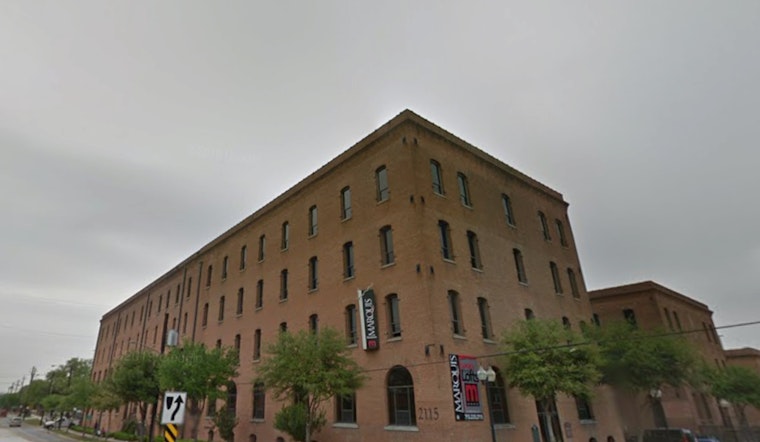
Across Houston’s East End, three stout brick and concrete holdovers from earlier eras have quietly synced up into one big story about neighborhood change. A former cotton warehouse on Runnels, the old Cameron Iron Works on Milby and a rebuilt church on Dallas have all been converted into apartments or retail, a tidy map of rising rents and shifting storefronts. Together they make the trade offs of reuse hard to miss: facades and memories are preserved, while the communities around them are altered.
That pattern was the focus of a recent "Houston Explained" feature that used East End Lofts (2115 Runnels), Ironworks HTX (711 Milby) and the Sanctuary Lofts (4411 Dallas) to track how spaces once built for working Houstonians are now pitched to new arrivals. The Houston Chronicle framed the three addresses as a kind of decoder ring for who gains from redevelopment and who gets pushed to the margins.
From Market to Lofts: 2115 Runnels
The brick complex at 2115 Runnels has been a workhorse for more than a century. It started out as a 19th century cotton warehouse, later housed a midcentury mattress and furniture operation, and by the 1980s had turned into El Mercado del Sol, a sprawling marketplace that served the neighborhood’s Hispanic community.
Over the last two decades, that same address has been remade as East End Lofts, a historic loft complex marketed on the charm of exposed brick and high ceilings. The property’s own leasing site lists floor plans and current availability, and outside apartment listings show one bedroom units priced in a range typical for market rate historic loft conversions. East End Lofts; Apartment Home Living.
From BOPs to Boutiques: 711 Milby
The long, low structure at 711 Milby once housed Cameron Iron Works, founded by Harry Cameron and James Abercrombie. Inside, engineers developed early ram type blowout preventers, a breakthrough in oil field safety that is documented in the site’s National Register nomination.
That industrial pedigree now shares space with a very different identity. The property operates as Ironworks HTX, a container market and event venue that reuses the industrial volume for boutiques, coffee and small retail. The history is laid out in preservation records, while current uses show up in local East End business listings. Texas Historical Commission; East End Houston.
Sanctuary Reused: 4411 Dallas
In Eastwood, the Church of the Redeemer at 4411 Dallas was rebuilt in the 1950s by builder Tom Tellepsen and once housed the mural "Christ of the Workingman" by artist John William Orth. After decades marked by shrinking membership and growing repair bills, the congregation ultimately closed the doors.
The structure was later converted into the Sanctuary Lofts, with compact studio units carved out of the former sanctuary and surrounding buildings to create smaller footprint rentals. Coverage of the project’s adaptive reuse and goals has appeared in prior reporting on the redevelopment. Houston Chronicle.
What the Conversions Add Up To
Preservation minded reuse can absolutely save facades and collective memory, but planners and local reporters point out that it does not automatically shield long time residents from being priced out. Community reporting and planning documents register ongoing concern that new market rate and boutique projects are ratcheting up pressure on both rents and the long standing businesses that have served the neighborhood for decades. Local coverage and East End economic strategy materials flag gentrification as a central challenge for whatever comes next. Houston Public Media; East End District.
Taken together, the three buildings underline a hard truth: historic preservation and community stability are not the same thing. You can keep the rooflines and recognizable walls even as the people who once animated those spaces are pushed out by higher costs. For Houston’s Second Ward, the open question is whether policy and local investment will help long time neighbors stay put, or simply keep the shells standing for a new market to move in.





