

























































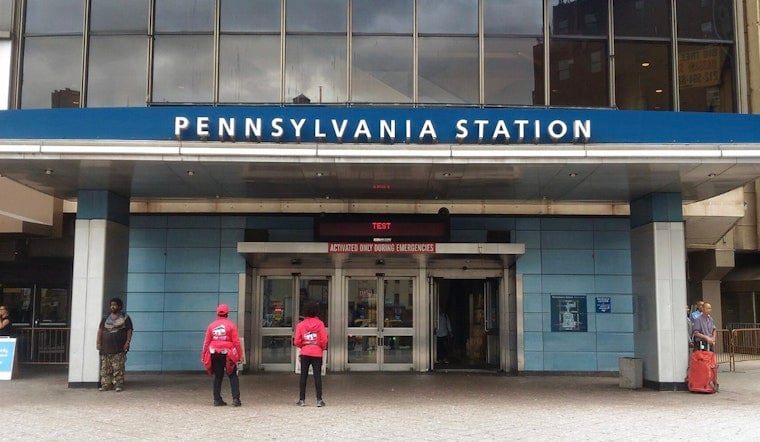
A new technical analysis released this week delivers a blunt message about New York's Penn Station. The hub is already running beyond its original design, moving hundreds of thousands of riders a day, and it simply does not have the physical space or operational wiggle room to swallow all the extra trains promised by the Gateway Program. With narrow platforms, tricky track geometry and limited yard storage, the station is poised to become the choke point even if new Hudson River tunnels open. The study leaves planners with a tough fork in the road: either expand Penn's footprint and yard capacity or accept operational trade-offs that would reshape how regional rail service works.
RPA's bottom line
The report from Regional Plan Association walks through how platform widths, vertical circulation, interlockings and tunnel limitations constrain both train and passenger movements. It concludes that flipping Penn Station to full revenue-to-revenue through-running across the board would likely cut peak-period capacity instead of boosting it. Regional Plan Association instead recommends limited, targeted use of through-running in the near term such as during shoulder periods and special events along with a package of operational improvements rather than an immediate, systemwide shift to continuous through-running.
Rail partners agree capacity means physical expansion
That conclusion lines up with what the railroads themselves have been saying. Feasibility work by Amtrak, the MTA and NJ TRANSIT found that doubling trans Hudson train capacity will require enlarging Penn Station's physical footprint, not just juggling schedules. The MTA notes that Penn already serves roughly 600,000 customers each day and that the Gateway Program's new Hudson River tunnels are designed to double west side peak capacity from about 24 to 48 trains an hour. The partners say that kind of increase cannot be absorbed without more tracks, more platforms or more yard space.
How constrained is the station now?
RPA's analysis puts hard numbers to what riders feel every rush hour. The core station has 11 platforms and 21 tracks, handles more than 1,300 commuter and intercity trains daily and sees about 66 trains an hour in the morning peak. On the east side, the Long Island and Queens operations can push up to roughly 42 inbound trains per peak hour, while the New Jersey side tops out near 24 trains per hour. Together they create the morning surge that already strains circulation and exits. Regional Plan Association reports that matching the theoretical capacity of the new tunnels could require peak direction capability closer to 90 trains per hour, a level far beyond what the current station layout can support.
Yards, rolling stock and the price of through-running
The report underscores that what happens off the platforms matters just as much. Trackside storage and compatible train fleets are as critical as the station itself. Full revenue-to-revenue through-running would require more off site storage and faster yard turnarounds. For context, Hudson Tunnel Program documents and project plans spell out the role of nearby yards and how new tunnels will be tied into Manhattan. Hudson Tunnel Project materials highlight why the West Side and Sunnyside yards, along with preserved right of way under Hudson Yards, are central to any strategy that tries to move more trains through Penn without long platform dwells and queues. The report also flags a major systems headache. NJ TRANSIT, the Long Island Rail Road and Metro North all use different power delivery systems, third rail versus overhead catenary, and different rolling stock profiles, so making trains interoperable would mean expensive equipment changes or extensive infrastructure work.
What riders should watch for next
The railroad partners and regional stakeholders plan to keep probing station expansion options and potential operating mixes through an appointed working group. The MTA and its partners say the feasibility work is intended to guide a public planning process that weighs construction pain against long term gains. The MTA and Amtrak emphasize that some smaller scale steps could roll out sooner, such as better through ticketing, targeted second runs during shoulder periods and limited through-running for major events, to take a bit of pressure off while bigger decisions are made about expanding the station and yard capacity. For commuters, that likely means years of planning meetings, policy fights in Albany and Washington and a series of phased construction projects and operational experiments over the coming decade.





