

























































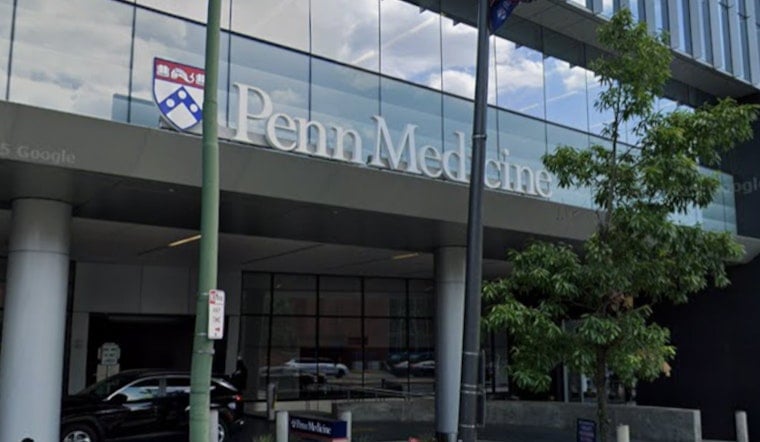
At Penn Medicine, cancer patients are increasingly getting help from a very different kind of drug: tiny, targeted doses of radioactivity that hunt tumors from the inside out. These targeted radioactive drugs, known as radiopharmaceuticals or theranostics, pair high-resolution imaging with a matched therapeutic molecule so clinicians can pick the radioactive medication best suited to each patient. For 54-year-old Lori Canzanese, a mother of two with advanced neuroendocrine pancreatic cancer, that has meant several injections at Penn and follow-up scans that show her tumors have shrunk.
As reported by CBS Philadelphia, Penn radiologists first use advanced PET scans to map tumors inside the body. Then they deliver short infusions of radiolabeled drugs that bind to cancer cells and deliver cell-killing radiation directly where it is needed. "No patient has ever been harmed by these special radioactive molecules," Dr. Philipose Mulugeta, clinical director of Penn's Nuclear Medicine division, told the station. Mulugeta and his colleagues describe the work as part of "a new era" in cancer care that can give patients options when conventional treatments fall short.
Approved examples and how they work
The FDA has already cleared several radiopharmaceuticals that show how this model works in practice. One is lutetium-177 dotatate (Lutathera) for somatostatin receptor positive gastroenteropancreatic neuroendocrine tumors. Another is lutetium-177 vipivotide tetraxetan (Pluvicto) for certain PSMA positive metastatic prostate cancers. FDA information on Lutathera and FDA documentation on Pluvicto show how regulatory backing has helped push radiopharmaceutical therapy into mainstream oncology.
Because each drug and each molecular target are different, programs tailor dosing, monitoring and safety instructions to the specific isotope and the individual patient. In other words, the same broad strategy relies on a lot of fine-tuning behind the scenes.
New targets beyond prostate and thyroid
Researchers are now chasing new targets for harder-to-treat tumors, including pancreatic and gastric cancers. They are studying agents such as FAPI compounds and integrin αvβ6 targeting peptides that can sharpen tumor visualization and, in some cases, carry therapeutic radioisotopes to those tumors.
A growing body of peer-reviewed work reports improved tumor to background contrast when these newer tracers are used, and it outlines early translational steps toward turning them into full therapeutic versions. Those studies highlight promising signals but also stress that larger clinical trials are still needed before any wider clinical use.
Clinic logistics and safety
Delivering these therapies is not as simple as hanging a standard IV bag. It requires an on-site radiopharmacy or a reliable isotope supply, access to a cyclotron or strong distribution networks, and a tightly coordinated team that spans nuclear medicine, medical oncology and radiation oncology, according to Penn Medicine.
Programs have been building dedicated radionuclide therapy clinics that centralize imaging, drug preparation and patient monitoring, which helps streamline workflow and improve safety. Because patients excrete small amounts of radioactivity after treatment, clinical teams give detailed hygiene and brief-contact precautions. Most excretion happens within roughly 72 hours, and discharge instructions are tailored to the specific isotope and the activity administered, per recent clinical guidance and reviews.
Canzanese told CBS Philadelphia that the actual infusions felt "pretty calm," but that after each treatment she was "considered hot with radiation" and told to keep some distance from others for about three days. Her scans at Penn now show stable disease, and she spends part of her time helping to raise awareness locally through the Run for the Stripes fundraiser for neuroendocrine tumor research. Her case highlights both the potential benefits and the day-to-day patient management details that come with these therapies.
Clinicians and analysts say theranostics could grow into a core pillar of cancer care if supply, specialized training and reimbursement all scale up. Industry analysis points to rising investment in radioligand manufacturing and an expanding number of clinical programs. For Philadelphia patients, Penn's existing radiopharmaceutical chemistry expertise, cyclotron capacity and integrated imaging teams position the city's health system to broaden access to trials and treatments as the field matures.





