

























































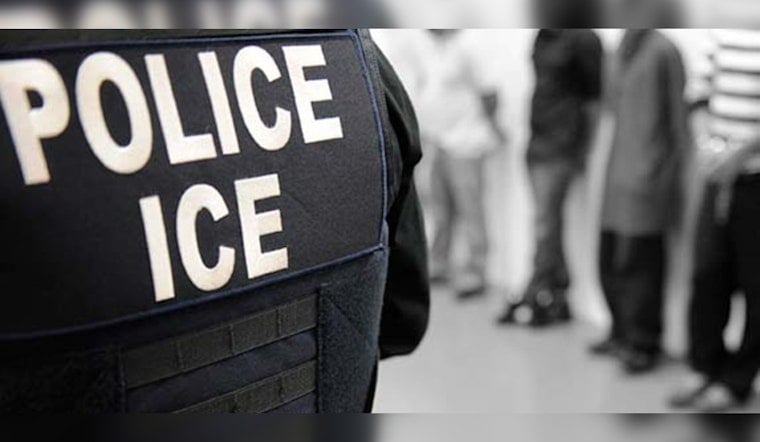
An interfaith circle of Phoenix clergy gathered outside the U.S. Immigration and Customs Enforcement (ICE) field office on Thursday, calling on the agency to grant humanitarian parole to seven people in custody who, they say, are suffering from serious and untreated medical conditions. Faith leaders said they tried to deliver a letter outlining the cases, but no one from the facility would accept it.
As reported by ABC15, the letter names detainees including Arbella “Yari” Rodríguez Márquez, a Phoenix resident with leukemia whose family says she has been in custody for about 14 months without treatment, 72-year-old grandmother Maria Cristina Tapia Cornejo, who is now showing signs of dementia, and Ruslan Makhmudov, who has Marfan syndrome and reportedly suffered a heart attack and underwent surgery for an aortic aneurysm while detained. The clergy also listed Marivel Otilia Lopez-Garcia, Isabel Ramirez Ramos, Lazaro Campos Izquierdo and Ana Silvia Granados Sanchez, urging officials to release them so they can receive medical care from their families and doctors.
Families Describe Rapid Declines
Sonia Almarez, partner of Rodríguez Márquez, told the gathered crowd that her partner now relies on a walker and still has not received needed leukemia treatment in custody. "This is just inhumane for everybody," Almarez said. Rev. Kelley Dick of Saguaro Christian Church added that allowing "a 72-year-old grandmother lose her mind behind bars" was unacceptable, according to ABC15.
How Humanitarian Parole Fits In
Humanitarian parole is a discretionary tool that the Department of Homeland Security uses to permit temporary entry or release for urgent humanitarian reasons or significant public benefit, including situations where someone needs time-sensitive medical treatment, according to USCIS. Families or advocates can assemble medical records and other evidence to request parole, but approval is not guaranteed and any parole that is granted is temporary by definition.
ICE Policies And Watchdog Concerns
ICE cites the ICE Health Service Corps and its Performance-Based National Detention Standards as the framework for detainee medical care, and says intake screenings, daily sick calls and 24-hour emergency care are part of its policy, according to ICE. Civil-rights groups have questioned how those standards play out in practice. A 2024 joint report from the American Civil Liberties Union, Physicians for Human Rights and American Oversight found that a large majority of reviewed deaths in ICE custody showed evidence of preventable or possibly preventable medical failures, a pattern that, ACLU said, points to systemic problems and adds urgency to calls for parole in serious-illness cases.
Next Steps For Families And Faith Leaders
Clergy members say they plan to keep pressing ICE while standing alongside families as they pursue humanitarian-parole requests and other legal options. For now, relatives and faith leaders are asking officials to review the seven cases quickly so medically vulnerable people can receive treatment outside of detention.





