

























































A Pittsburgh woman who pleaded guilty to federal charges of distributing and possessing child sexual abuse material has been sentenced to 7½ years in prison and ordered to pay $13,000 in restitution. Prosecutors said 32-year-old Marissa Lynn Segal admitted to sharing images and videos that included infant victims and acts of bestiality.
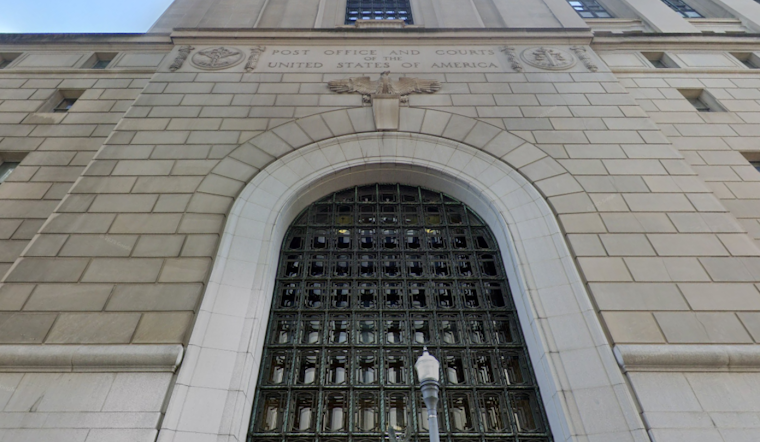
Federal prosecutors announced the sentence Monday, with the punishment totaling 90 months behind bars and $13,000 in restitution. As reported by WPXI, the sentence was imposed in the U.S. District Court.
Investigation and guilty plea
According to a press release from the U.S. Attorney’s Office for the Western District of Pennsylvania, Segal pleaded guilty on Jan. 12 before U.S. District Judge J. Nicholas Ranjan. Prosecutors told the court that on July 14, 2025, she distributed images and videos through a mobile application, including material depicting infants and acts of bestiality.
The U.S. Attorney’s Office said the FBI led the investigation into Segal’s conduct and that an assistant U.S. attorney is prosecuting the case, according to the U.S. Attorney’s Office.
Federal penalties and sentencing
Federal law takes receipt and distribution of child sexual abuse material extremely seriously. Under 18 U.S.C. §2252A, receipt or distribution generally carries a statutory range of roughly five to 20 years in prison, which can rise to as much as 40 years for defendants with certain prior convictions. Simple possession can carry penalties of up to 10 years, with higher exposure when images involve very young children. See 18 U.S.C. §2252A for the statutes that govern these offenses.
Project Safe Childhood and enforcement
The FBI said the case was handled as part of Project Safe Childhood, a Department of Justice initiative launched in 2006 to coordinate federal, state, and local responses to technology-facilitated child exploitation. The program is designed to pull multiple agencies into the same fight against online child abuse, rather than leaving them to tackle it in isolation.
Members of the public who need to report suspected child sexual exploitation can contact the National Center for Missing & Exploited Children, which operates a CyberTipline for reporting possible child sexual abuse material and related activity. Project Safe Childhood and NCMEC's CyberTipline are the federal coordination and reporting channels cited by prosecutors.





