

























































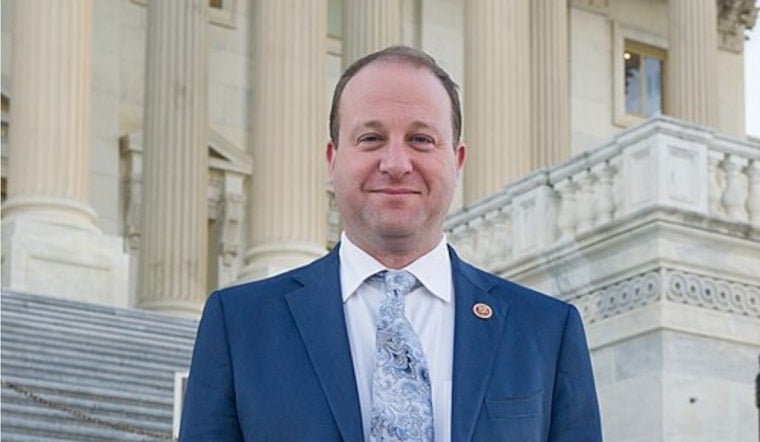
Colorado homeowners could eventually see up to $800 shaved off their yearly homeowners insurance bills under a new “Roadmap” Gov. Jared Polis rolled out this week, a package built around stronger roofs, targeted mitigation, and faster rebuilding after disasters. State officials are pitching the plan as a pressure valve for one of Colorado’s fastest-rising household costs, with insurers and lawmakers largely agreeing that hail and wildfire are the main culprits behind recent premium spikes. The administration says the roadmap blends grants, data transparency, and regulatory moves to push premiums down while nudging homeowners toward more resilient upgrades.
What the roadmap would do
Polis and state insurance officials are framing the initiative around three main pillars: making homes tougher against severe weather, making sure insurers actually recognize mitigation work in their underwriting, and helping communities rebuild faster after major disasters. As reported by Colorado Politics, officials say that, taken together with existing and pending laws, the roadmap could help move Colorado from one of the country’s most expensive homeowners' insurance markets to a more middling spot on the national list.
Why hail is front and center
The Colorado Division of Insurance asked 20 carriers that account for roughly 80% of the market to open their books. The data the state received showed hail accounts for about 26% to 54% of homeowners' premiums, depending on the county, while wildfire risk is a smaller but still notable slice in many areas. That breakdown is the main reason the roadmap leans so hard on “resilient roof systems” and mitigation discounts, according to the Colorado Division of Insurance.
Money for resilient roofs and grants
Lawmakers are weighing a bill that would create a Strengthen Colorado Homes Enterprise inside the Department of Regulatory Agencies. It would collect a fee on insurers and then use the revenue to fund grants for resilient roof installations and related retrofits. The fiscal note for SB 26‑155 pegs the initial fee at about 0.5% of multiperil homeowners' premiums, which would translate to roughly $30.2 million in grant money in the first year.
How quickly might savings show up
Polis introduced the Roadmap at a news conference last Thursday and then boosted it on his official Facebook page on Monday, saying the state could deliver average savings of up to $800 by the end of 2027 if the measures and legislation go through. As Axios Denver notes, that would amount to about a 20% cut for the average homeowner, although the projection hinges on insurer participation and broader market forces that Colorado cannot fully control.
Industry reaction and remaining hurdles
Insurance analysts and trade groups are offering a cautious response, warning that the roadmap has to contend with some stubborn headwinds. Reinsurance costs, national claims trends, and construction and labor prices all keep pressure on premiums upward, and no state plan can simply wish those away. The industry outlet Insurance Business reports that experts are watching to see whether Colorado’s grants and mitigation incentives are big enough and targeted enough to actually shift underwriting behavior and produce sustained rate relief.
Legal and policy next steps
If SB 26‑155 clears the legislature, it would lock in governance rules for the enterprise, require insurers to begin additional annual filings on resilient installations and discounts starting in 2027, and mandate an annual report to the General Assembly. The bill also authorizes the enterprise to issue revenue bonds, award grants, and assess fees administratively, details that are spelled out in the legislative fiscal note.
For now, the Roadmap is a blend of executive action, rulemaking, and live legislation that still needs buy-in from lawmakers, insurers, and local governments. If those pieces line up, state officials say Coloradans could begin to see lower premiums as mitigation projects ramp up and the new enterprise gets off the ground.





