

























































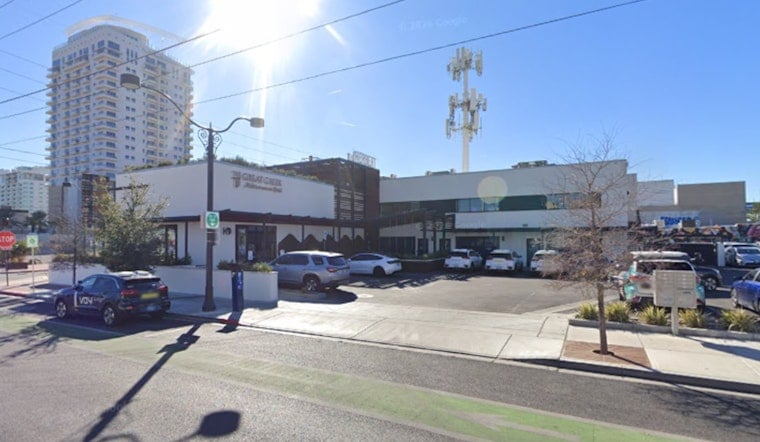
Vay, the Berlin-born startup that sends remotely piloted rental cars zipping around town, is tightening its grip on Las Vegas. The company has bulked up its local fleet and moved into the seventh floor of the former Zappos building downtown, turning a onetime tech landmark into a tele-driving command center. For locals, that translates into more Vay cars on valley streets and shorter waits when booking an app-based rental.
According to the Las Vegas Review-Journal, Vay’s Las Vegas fleet has climbed this year from roughly 100 vehicles to about 175, and the company has taken over the seventh floor of the former Zappos building downtown. The outlet reports that Remote Drivers deliver vehicles to customers, then hand over control for trips that can run up to 12 hours, and that the bigger fleet has already cut average delivery times. The Review-Journal also notes that Vay has provided tens of thousands of rides across the valley as it scales up operations.
How the Service And Downtown Hub Work
Customers request a car in the Vay app, and a Remote Driver pilots an empty electric vehicle to the pickup spot, watching the road through a bank of screens. Once the rider gets in, the Remote Driver disconnects and the customer takes the wheel. Vay retrofits Kia e-Niro EVs at a Henderson production facility that can prepare up to 16 vehicles per week, then uses the downtown hub to keep the fleet charged, cleaned and ready to go. The company also highlights app features like Remote Driver Parking, where a tele-driver reconnects after the rider steps out and handles the parking job, according to Vay.
Where Vay Runs Now
Vay’s operating zone now covers downtown and the Strip and stretches into Chinatown, northeast Las Vegas, the UNLV area and parts of the airport corridor, as reported by the Las Vegas Review-Journal. The paper says Vay has logged more than 60,000 rides in the Las Vegas Valley and that roughly 80 percent of riders are locals, with some power users racking up hundreds of trips. The figures point to solid adoption of the company’s door-to-door model among Southern Nevadans who would rather skip parking drama and traditional rental counters.
Trucks, Partners And Jobs
Vay’s tech is not limited to compact electric rentals. Industry coverage reports that its teleoperation system also supports Kodiak Robotics’ “Assisted Autonomy” on robotrucks running in West Texas and Eastern New Mexico, where remote human operators step in for low-speed or especially complex situations. Tech.co and other trade outlets have detailed the Kodiak partnership and how Vay’s remote drivers mesh with truck autonomy systems.
On the hiring front, online job listings show Vay recruiting remote truck operators with requirements that include a Commercial Driver’s License, a hint that the company is staffing up both the technical side and the driver side of its business-to-business push. Those openings have appeared on Indeed, alongside roles tied to its Las Vegas car operations.
Local Impact And What Is Next
Vay began commercial teledriving in Las Vegas in early 2024 and told industry outlets it planned to scale to about 100 vehicles by the end of 2025. Subsequent coverage shows the company has already blown past that benchmark as it adds cars and builds capacity. Between the downtown hub and the Henderson production center, the company is expected to create local jobs in vehicle outfitting, maintenance and remote operations, even as it continues to refine training and safety protocols.
City officials and transportation watchers have long treated Las Vegas as a proving ground for new mobility tech, and Vay’s footprint downtown adds another live experiment to the list. For now, the move upstairs in the former Zappos building means more Vay EVs on valley streets, shorter waits on the app and a growing roster of job postings as additional vehicles are outfitted this year. The next chapter will depend on how riders, regulators and the rest of the transportation ecosystem respond as remote-driven rentals keep expanding across Las Vegas.





