

























































Retired judges in Wisconsin are asking the state’s highest court to put some hard lines around when justices must sit out cases tied to campaign cash, saying the current system lets big spenders cast a long shadow over the bench. Their proposal would create mandatory recusal rules and spell out nine specific factors judges must weigh any time campaign contributions or outside spending could “raise a reasonable question” about a judge’s impartiality. The Wisconsin Supreme Court has put the issue on its rules calendar and set a public hearing for June 4, 2026.
Petition lands on the court docket
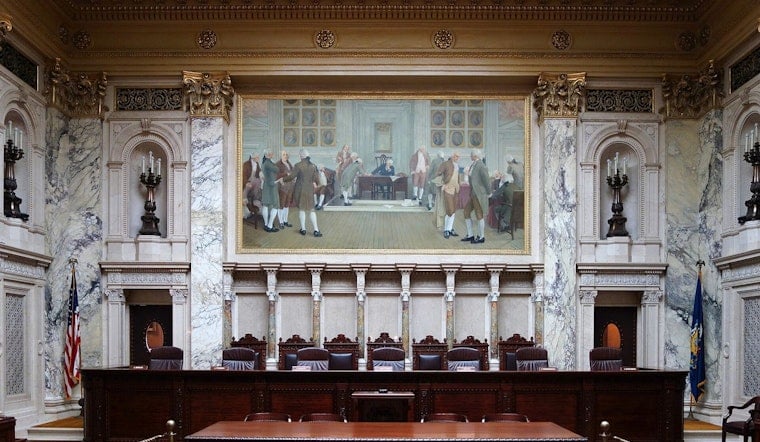
According to the Wisconsin Court System, petition 26-01 was filed on Jan. 30, 2026, with retired Dane County Circuit Court Judge Richard G. Niess listed as the filer. The rules docket also shows the Supreme Court has scheduled a hearing at 9:30 a.m. on June 4, 2026, in the Supreme Court Room at the State Capitol.
Who is pushing the change
The request comes from nine retired circuit court judges, including Sarah B. O’Brien and Richard G. Niess, who argue the existing recusal rules were written to “protect donors, not fair courts,” as reported by Wisconsin Public Radio. Supporters contend that tougher standards are overdue at a time when wealthy donors and outside groups are pouring unprecedented sums into state Supreme Court races.
What the proposed rule would change
The petition seeks to amend SCR 60.04 so that recusal becomes mandatory anytime the facts “raise a reasonable question concerning the judge’s ability to be impartial,” according to the filing posted by the Wisconsin Court System. It lays out nine factors for judges to consider, including the size of a contribution, when it was made, and the contributor’s relationship to the parties in the case.
The proposal would treat independent expenditures in a similar way. Judges would be directed to look at how much was spent, who sponsored the spending, and how closely that sponsor was involved in a judicial campaign before deciding whether they should step aside.
Money in the backdrop
Behind the legalese is a simple reality: Supreme Court races in Wisconsin have turned into big-money brawls. WisPolitics tallied roughly $115 million in spending on the 2025 contest and about $56 million in the 2023 race, numbers that supporters say show the current recusal system is not built for this level of political cash.
Next steps
The June 4 hearing will be the first major gauge of whether the justices are willing to tighten their own recusal rules. The process can include written public comments, additional briefing, and potential revisions after the hearing, according to Wisconsin Public Radio. There is no deadline for a final decision. The court could adopt the petition as written, modify it, or reject the proposed changes outright.
Why it matters
If the court adopts mandatory recusal standards, it would likely change which justices can hear some of the state’s most closely watched cases, forcing more of them to step aside in situations involving campaign money. That, in turn, could influence decisions on redistricting, union rights, and other politically charged issues.
The petition arrives on the heels of this spring’s election, when Democratic-backed Chris Taylor won a seat on the court and expanded its liberal majority, according to the AP.





