

























































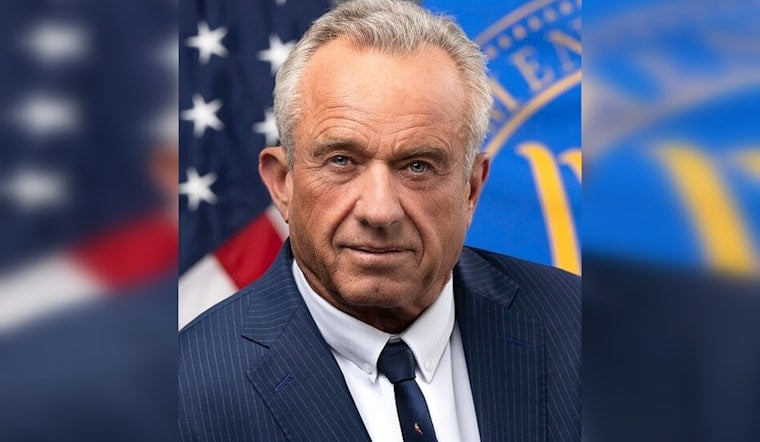
Health Secretary Robert F. Kennedy Jr. is again putting abstinence, 12‑step programs and so‑called "wellness farms" at the center of Washington's addiction response, arguing that the same mix helped him walk away from heroin. His pitch leans heavily on faith, work and communal recovery, and it has kicked off another round of sparring among scientists, treatment providers and advocates.
HHS rolls out a $100 million pilot
The Department of Health and Human Services has rolled out a $100 million pilot called STREETS that is supposed to build integrated care systems for people who are both homeless and struggling with substance use disorders. As outlined in the HHS press release, the initiative will test programs in eight communities that pair street outreach with psychiatric care, crisis services and pathways into housing and employment.
Kennedy's model: wellness farms and 12‑step recovery
Kennedy routinely holds up an Italian recovery community known as San Patrignano and talks about abstinence‑focused, 12‑step recovery as the blueprint for new U.S. efforts. Reporting from NPR describes San Patrignano as a place that rejects addiction medications and instead leans on long stretches of work and peer‑run support, while coverage from KUOW captures Kennedy crediting abstinence and 12‑step programs with his own recovery.
Experts say sidelining medications is risky
Not everyone is impressed. "The treatment is worse than the disease," Yale researcher Dr. Robert Heimer told NPR, warning that cutting people off opioids without medication raises the risk of a deadly overdose if and when they relapse. Public health writers and advocates, in coverage summarized by The Washington Post, argue that stacking the deck in favor of abstinence and court‑ordered programs over harm‑reduction and housing‑first approaches undercuts tools that have already been shown to reduce deaths.
Questions about implementation and oversight
Key details are still missing on how all of this will look on the ground. HHS has not yet said which cities will receive STREETS funding, and advocates argue that results will depend heavily on where the checks go and how local programs are structured. AP notes that critics are demanding clarity on whether the pilot uses new money or simply repackages existing grants, and they want transparent data on what the program actually delivers.
For Seattle listeners, KUOW cast Kennedy's comments as part of a broader HHS push that tries to match lofty talk about community and purpose with fresh federal dollars. Whether STREETS can square that vision with the scientific consensus that backs addiction medications and harm reduction remains the question hanging over policymakers and the communities they say they are trying to help.





_(cropped_3-4)_(b).jpg)