

























































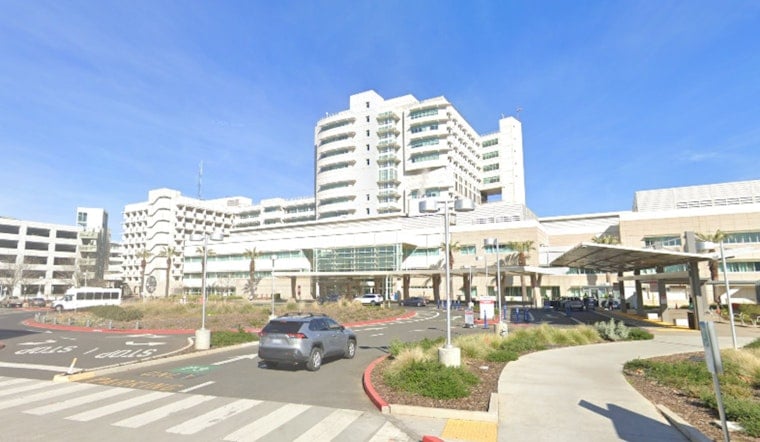
Sacramento’s hospital safety net just landed on a national watch list, and it is not the kind of list anyone here wanted to make.
UC Davis Medical Center and Methodist Hospital of Sacramento have been flagged among California facilities that could be financially vulnerable if federal Medicaid cuts move forward. The warning comes from a national analysis of hospitals that lean heavily on Medicaid and have recently posted negative margins, raising fresh questions about whether services, staffing or programs could be trimmed in the years ahead.
What the report found
According to a report by Public Citizen, 446 hospitals nationwide meet the group’s criteria for being at “heightened risk,” with 83 of those located in California. The analysis focused on hospitals that averaged at least a 20% Medicaid/SCHIP/low income payer mix and reported negative net profit margins on average from 2022 to 2024, figures the authors say leave these institutions especially exposed if federal Medicaid funding is cut.
Public Citizen stresses the list is descriptive rather than a prediction of closures, but notes that many hospitals are already citing layoffs and service reductions as financial pressures build.
Which Sacramento hospitals were named
Local coverage has confirmed that UC Davis Medical Center and Methodist Hospital of Sacramento both appear on Public Citizen’s list. A statewide roundup by Patch includes the two Sacramento facilities among California’s 83 at risk hospitals, putting a bright red circle around the capital’s core medical hubs.
The Sacramento Business Journal has also reported on what the designation could mean for the region’s hospital landscape, underscoring how closely business and health leaders are watching the situation.
UC Davis' role in the region
UC Davis Medical Center is the region’s major academic referral hospital and a verified Level I adult and pediatric trauma center, making it a primary destination for complex and emergency care across Northern California. That role means any disruption at UC Davis would ripple well beyond city limits and could affect access to high acuity services for a large swath of the state.
UC Davis Health documents the center’s trauma verification and its status as a regional referral hub, underscoring why its financial health is watched so closely.
Methodist's community footprint
Methodist Hospital of Sacramento serves a very different, but no less critical, role. It is a community acute care hospital providing emergency, maternity and other core services to south Sacramento neighborhoods and nearby suburbs. According to a Dignity Health fact sheet, Methodist is roughly a 158 bed acute facility, giving it a more neighborhood focused profile than UC Davis but still anchoring routine and urgent care for thousands of local residents.
Why the timing matters
Public Citizen ties its vulnerability analysis to provisions in the 2025 reconciliation law that reduce federal Medicaid spending and add new eligibility and verification requirements. Policy analysts point out that those changes are tied to real implementation dates, not abstract budget debates.
KFF notes that the law directs states to begin applying new work requirement and renewal rules by January 1, 2027, with some flexibility. That timeline, combined with hospitals that already depend heavily on Medicaid revenue and are operating on thin or negative margins, is what prompted Public Citizen to flag facilities including UC Davis and Methodist.
What to watch next
How state and local officials handle renewal, exemption and verification rules will largely determine how many people lose coverage and how quickly hospital revenues could fall. Analysts and state policy groups say careful implementation such as streamlined renewals, strong data matching and proactive outreach can soften coverage losses. On the flip side, stricter or poorly managed systems could accelerate revenue shocks for hospitals that are already stretched.
For California specific analysis and recommendations, the California Budget & Policy Center outlines how state leaders can respond to the law and plan for its impact.
Locally, health system executives, hospital boards and county officials are the ones to watch as the federal and state timelines advance. If reimbursements drop, hospitals could respond with program changes, staffing adjustments or service consolidations that patients would feel quickly. We will keep tracking statements from UC Davis, Dignity Health and county officials and report updates as they come.



