

























































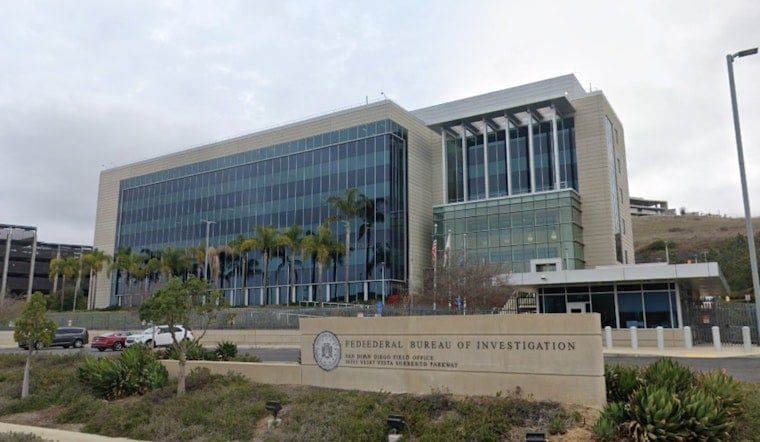
Federal prosecutors in San Diego have pulled back the curtain on a massive international takedown, unsealing criminal charges today after a global sweep that authorities say led to at least 276 arrests and the dismantling of at least nine scam centers tied to cryptocurrency investment fraud. The crackdown zeroed in on so‑called “pig‑butchering” rings that groomed victims online, slowly built trust, then pushed them to funnel cash and crypto into sham trading platforms. Local prosecutors say several alleged managers and recruiters connected to those networks are now charged in San Diego, while hundreds of other suspects were rounded up overseas.
What prosecutors say
According to the Department of Justice, the sweep, spearheaded by Dubai Police with coordination from the FBI San Diego Field Office and assistance from China’s Ministry of Public Security, led to hundreds of arrests and the dismantling of nine alleged scam centers. Prosecutors say the compounds focused on Americans with cryptocurrency investment pitches and that investigators have already traced millions of dollars in victim losses. Three suspects seized in Dubai, and one detained in Thailand, are among those charged in the Southern District of California.
Who’s charged in San Diego
Federal court filings unsealed in San Diego identify six defendants, including Thet Min Nyi, Wiliang Awang, Andreas Chandra and Lisa Mariam. Prosecutors say they worked for operations described as the “Ko Thet Company,” “Sanduo Group” and “Giant Company,” according to the U.S. Attorney’s Office for the Southern District of California. The complaints and indictment charge wire fraud conspiracy and money laundering conspiracy, each carrying a potential maximum sentence of up to 20 years in prison. “These scammers thought they were safe half a world away,” U.S. Attorney Adam Gordon said in a statement.
How the schemes worked
Prosecutors say the groups relied on long‑term grooming and romance tactics, the classic pig‑butchering playbook, to convince victims to move money and cryptocurrency into fake investment platforms the scammers secretly controlled. The funds were then pushed through multiple accounts to launder the proceeds. The activity tracks with patterns flagged in the FBI’s April internet‑crime report, which found that investment and crypto‑related complaints drove unusually large financial losses and highlighted initiatives such as Operation Level Up that have alerted thousands of likely victims and helped prevent hundreds of millions of dollars in losses. Officials say those trends, combined with the size of the alleged scam centers, explain the level of multinational coordination used to hit the compounds.
What victims can do
Anyone who believes they were targeted is urged to file a report with the FBI’s Internet Crime Complaint Center at IC3 and contact their bank or cryptocurrency exchange immediately to try to freeze or trace transfers. Prosecutors and law enforcement partners are also asking people who have tips or evidence about the scam centers or the named defendants to reach out to the Southern District of California’s offices, according to their public materials.
Federal charges and penalties
The unsealed cases include counts of wire fraud conspiracy and money laundering conspiracy, along with criminal forfeiture allegations. Each conspiracy charge carries a statutory maximum of about 20 years in prison and substantial fines, prosecutors said in a U.S. Attorney’s Office press release. The cases will proceed in federal court in San Diego, where authorities say they will seek to seize assets and return funds to victims whenever possible.
Investigators say the operation highlights mounting global pressure on industrial‑scale fraud networks that exploit social media, messaging apps and cryptocurrency to reach victims. Officials warned that more enforcement actions and cross‑border partnerships are likely as the probe continues and additional charges or arrests are pursued.





