

























































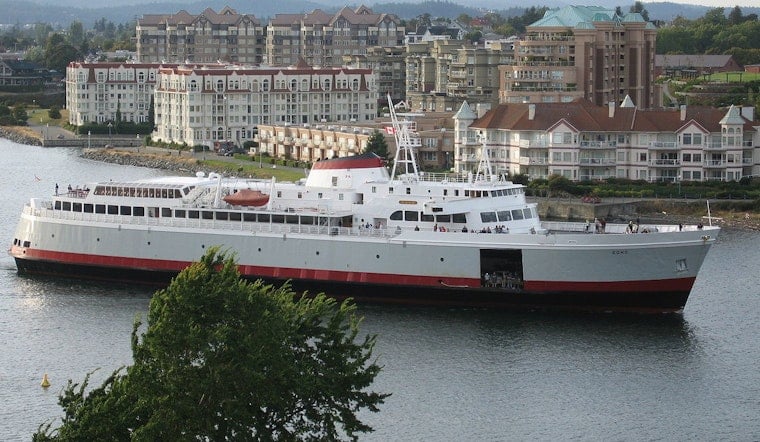
Puget Sound ferry regulars are about to feel a little extra pinch at the turnstiles. Starting Friday, May 1, Washington State Ferries riders will pay more across the system, with an average 3 percent bump to passenger and vehicle fares and a new summer surcharge for single-ride drivers. That means slightly pricier round trips on busy routes like Seattle–Bainbridge, Edmonds–Kingston and Mukilteo–Clinton just as the warm-weather crowds roll in.
According to WSDOT, a 3 percent cost-recovery surcharge on credit and debit card transactions kicked in on March 1, 2026, and it applies to in-person, kiosk and online purchases. The Washington State Transportation Commission signed off on a fare schedule that included an October 2025 adjustment and a May 1, 2026 step, setting the average May increase at roughly 3 percent, WSTC says. Ferry officials say the whole package is designed to help hit funding targets in the state transportation budget.
What's changing on May 1
Starting May 1, passenger and vehicle ticket prices will rise by an average of 3 percent, and single-ride vehicle fares will include a uniform 35 percent peak-season surcharge through Sept. 30, as reported by Kitsap Sun. WSF is also testing a longer expiration window for multi-ride passes. New passes bought on or after May 1 will be good for 120 days instead of 90, which gives frequent riders a bit more breathing room to use them.
On several popular runs, that all translates to modest per-trip bumps. For example, Seattle–Bainbridge passenger round-trip fares are listed as moving to $11.35 under the new tariff.
Why officials say fares are rising
The Washington State Transportation Commission says the adjustments are part of a broader plan to meet a ferry fare revenue target for the 2025–27 biennium, with commission documents putting that number at about $408.8 million, according to WSTC. Officials point to rising operating and capital costs, including vessel replacement surcharges, as the main drivers.
Riders and transit advocates, meanwhile, are pushing the state to match any new revenue with clearer improvements on the water. They are calling for stronger service reliability and support for low-income commuters who feel every fare tweak.
How to avoid extra charges
There are a couple of ways to dodge at least part of the hit. Riders can skip the 3 percent card surcharge by paying with cash or using a preloaded ORCA card, WSDOT notes, and the fee is refunded when a transaction itself is refunded. Debit cards are treated like credit, so they also trigger the surcharge unless you choose another method.
Multi-ride passes and monthly passenger passes are excluded from the peak-season vehicle surcharge, which can make them a better deal for some regular riders once the summer rates kick in.
Commuter reaction
Local coverage and a recent WSF video update have shown plenty of eye rolls in the loading lanes. Frustrated drivers say those “small” per-trip increases stack up fast for daily commuters, as seen in KIRO 7's report and video. Reporting by Kitsap Sun estimated that some vehicle riders in Kitsap County could pay roughly $15 more for a round trip under the new schedule.
Commuters told reporters they want clearer notice about when peak pricing will apply and for the state to pick up the pace on service reliability fixes, not just the fare chart.
The new tariff lands Friday, May 1, so regular riders may want to build in a little extra time and cash as summer travel ramps up. Checking the ferry fare calculator or your ORCA account before you leave could save you at least one unpleasant surprise at the terminal.





