

























































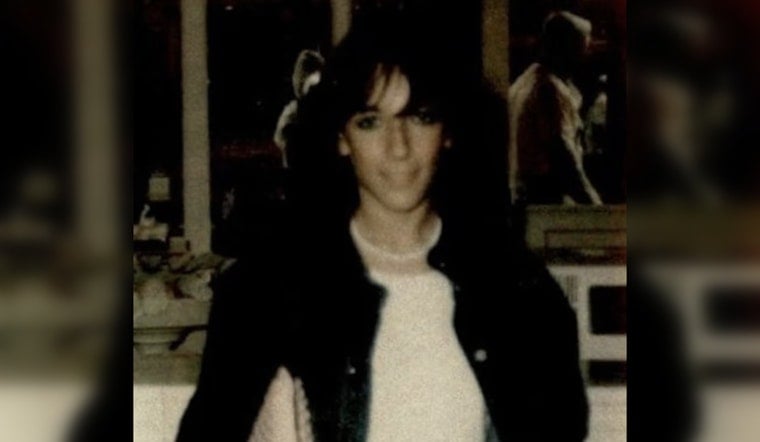
Forty-one years after she vanished from the Lynbrook roller rink where she worked, the murder of teenager Theresa Fusco is back under a harsh spotlight as prosecutors say modern DNA testing has tied a Long Island man to her 1984 rape and killing. The long-awaited break, they say, came from DNA pulled off a discarded smoothie straw that allegedly matches genetic material taken from Fusco’s body.
Prosecutors Say a Tossed Straw Cracked the Case
According to investigators, 63-year-old Richard Bilodeau of Center Moriches was indicted on Oct. 15, 2025, after detectives retrieved a cup and straw from a Tropical Smoothie Cafe trash can in February 2024 and sent them to the medical examiner’s lab. Prosecutors say the Nassau County Office of the Medical Examiner reported that DNA from the straw matched evidence collected during Fusco’s 1984 autopsy, and Bilodeau pleaded not guilty at his arraignment. The arrest and laboratory findings were detailed in a release from the Nassau County District Attorney's Office. AP News also reported on the indictment and the DNA match.
How Investigators Say the Smoothie Cup Became Key Evidence
Prosecutors describe a joint surveillance operation in early 2024 that gave detectives an opening to collect the disposable cup and straw after Bilodeau visited a smoothie shop. The items were submitted to the Nassau County Office of the Medical Examiner, which, according to prosecutors, produced a DNA profile they say is consistent with the crime-scene sample from 1984. A national television segment walked through the timeline of that surveillance and the moment investigators say they got the hit, and a local outlet traced the same sequence step by step from a Long Island perspective. The broadcast account was featured by CBS News, while Long Island Press detailed the investigative chronology.
The Long Shadow of Earlier Wrongful Convictions
The Fusco case arrives in court with a painful history already attached. Three men were convicted of her killing in the 1980s, only to be cleared years later after post-conviction DNA testing undercut the original verdicts. Records from the Innocence Project and federal court filings show those convictions were vacated in the early 2000s, and two of the men later received multimillion-dollar damages for wrongful imprisonment. The exonerations and subsequent civil awards are documented by the Innocence Project and in the Second Circuit’s opinion in Restivo v. Hessemann.
Defense Pushes Back on the New DNA Storyline
Bilodeau’s attorneys have already signaled that they are not buying the prosecution’s narrative at face value. They have criticized how the case has been presented publicly and emphasized that there is a vast record to comb through before anyone should reach conclusions. Defense counsel has told local outlets that the accused “maintains his innocence” and that nearly four decades of files, physical evidence and transcripts must be scrutinized. Prosecutors, in turn, insist that the new DNA link is direct and compelling. Those early exchanges and statements from both sides were reported by News 12 Long Island and further covered by ABC News.
Legal Fights Over “Abandonment” DNA
The case leans heavily on a concept that has become a staple in modern policing: so-called “abandoned” DNA. Once a person discards a cup or cigarette butt, many courts have held that there is no reasonable expectation of privacy in that item, which allows investigators to collect it without a warrant. That legal backdrop gives prosecutors a path to use the smoothie straw, but it does not shut down every challenge. Defense teams routinely probe chain-of-custody records, lab protocols and whether any innocent explanation might account for a match. The legal framework for relying on discarded items traces back to long-standing Supreme Court precedent, including the abandonment principle outlined in Abel v. United States.
What Comes Next in Nassau County Court
The case is now moving through Nassau County’s courts as prosecutors and defense lawyers sort through evidence, file motions and argue over what the jury should ultimately hear. The district attorney’s office has said it is determined to pursue justice for Fusco and her family, even as the new charges reopen old wounds in a community that has already seen one set of convictions thrown out. National attention is once again bearing down on Lynbrook; a "48 Hours" segment airing this weekend revisits the investigation and the larger debate over how far modern forensic techniques should reach into cold case files. For official timelines and court dates, the latest information is available in the release from the Nassau County District Attorney's Office, while details on the televised feature are outlined in the report from CBS News.





