

























































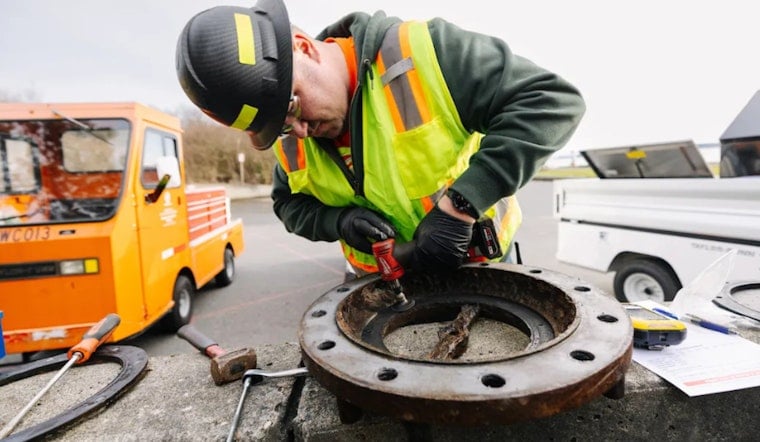
King County is warning wastewater customers to get ready for a serious jolt to their sewer bills. Under a new plan, wholesale sewer rates would climb about 12.75% in 2027, which county officials say would tack roughly $8 a month onto the typical wastewater treatment portion of a utility bill. That extra cash would help cover about $14 billion in work over the next decade, including storage tunnels, separated pipes and treatment plant upgrades, all aimed at cutting sewage overflows as storms grow bigger and more frequent.
The county transmitted the 2027 rate proposal to the King County Council on April 23, 2026, arguing the increase is needed both to comply with state and federal rules and to finally update equipment that in some cases dates back to the 1960s. “The proposed sewer rate will make sure our frontline professionals have the resources they need to protect the water that sustains life in our region,” King County Executive Girmay Zahilay said. According to King County DNRP Field Notes, the transmission also includes a 6.55% increase to the capacity charge. Local reporting has highlighted how stronger, more frequent storms are driving the need for bigger investments, as reported by The Seattle Times.
Regulatory deadlines changed
Part of the county’s urgency comes from revised federal and state agreements on combined sewer overflows. Regulators agreed to move the final control date from 2030 to 2037 so the city and county could pursue larger, more climate resilient fixes instead of quick patches that might not hold up as storms intensify. The Washington Department of Ecology says the modification gives agencies more time to design projects that will cut pollution to Puget Sound while planning for future storm intensity, and the updated consent decree sets key milestones through 2037.
Storms are getting worse
Climate science is backing up what utility crews are seeing on the ground. A 2018 global analysis led by CW3E finds that atmospheric rivers, those long plumes of Pacific moisture that regularly soak the West Coast, are projected to become roughly 25% longer and 25% wider under high warming scenarios. That means a higher chance of intense downpours that can overwhelm pipes and plants built for a very different climate.
The region has already had a taste of what that looks like. A December atmospheric river episode dumped what meteorologists described as trillions of gallons of rain across western Washington in just a few days, putting serious strain on aging sewer and stormwater systems. For additional regional context on how those trends could play out over time, see analysis from the University of Washington’s Climate Impacts Group.
Projects on the ground
The county’s capital forecast lays out how much heavy lifting is ahead. Storage tunnels, wet weather treatment stations and targeted upgrades at existing treatment plants are all on the list. The 2027 rate packet highlights major capital spending planned for that year, including work on the Mouth of the Duwamish combined sewer overflow control project, new wet weather storage facilities and electrical improvements at the West Point plant.
Altogether, the documents show a roughly $14.2 billion first decade capital forecast to meet both regulatory requirements and climate resilience goals. See the county’s rate packet for itemized project details from King County.
What residents will pay
Under the proposed path, the wholesale monthly sewer rate would rise from about $62.66 in 2026 to roughly $70.65 in 2027, with the 12.75% jump accounting for nearly all of that change. King County says the average wastewater treatment portion of a customer’s bill would go up by about $8 per month in the first year of the proposal, according to King County DNRP Field Notes.
Affordability and oversight
County leaders know those numbers will sting for many households and say they are looking at ways to soften the blow while still meeting strict environmental rules. Planning documents call for pursuing targeted affordability programs, independent third party oversight and low interest financing to keep long term costs in check.
The Wastewater Treatment Division is directed to work with partner agencies and advisory bodies to develop clear performance metrics and explore focused relief for lower income customers. The county’s public materials on investing in clean water outline these commitments in more detail from King County.
The rate proposal now heads to the King County Council for hearings and a final vote. Councilmembers are expected to weigh affordability concerns against regulatory deadlines and the long term costs of delaying major upgrades. For residents, the choice on the table is essentially whether to pay more in the near term to storm proof critical wastewater infrastructure or risk repeated overflows, potential fines and even larger bills down the road if projects are put off.




