

























































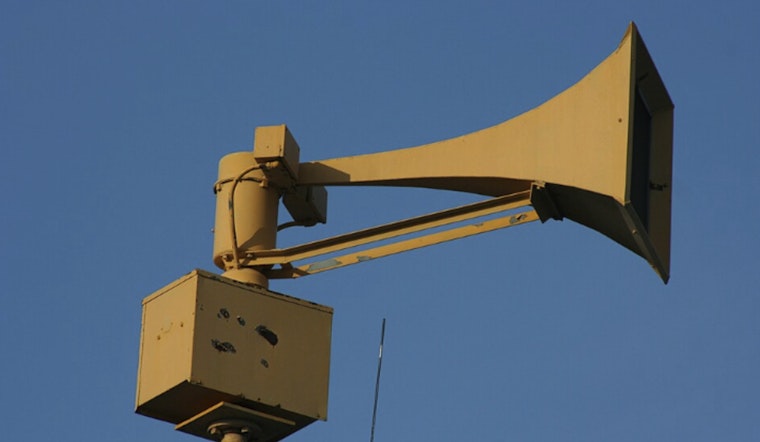
St. Louis firefighters spread out across the city on Monday for the regular monthly tornado siren test, parking themselves right next to outdoor warning speakers to double-check fixes made since last year’s tornado. The goal was simple but old school: compare what the automated system says with what human ears actually hear, and the sweep revealed both solid progress and a few stubborn trouble spots.
Fire crews checked each siren in person
Fire Chief Dennis Jenkerson joined crews as they rolled through neighborhoods, including a stop along Natural Bridge in Fairground Park, explaining that the department wanted to "get ears on, so to speak" and confirm that alerts are loud and clear where people actually live and work. According to the department, most sirens did sound during the test, but several stayed quiet and are now being investigated, and crews flagged a small number of units that will need major repairs or even relocation.
Chief Jenkerson told First Alert 4 that firefighters are monitoring the system directly and urged anyone who was outdoors during the test and did not hear a siren to call 314-289-1953 so the city can zero in on problem spots.
Upgrades are under way but not finished
The city is in the middle of a broader effort to replace and modernize the tornado siren network ahead of peak severe-weather season, and officials say the system now runs on automation with regular connectivity checks to catch issues early. As reported by Spectrum News, about 35 of St. Louis’ 60 sirens have been upgraded so far. City officials expect to finish the overhaul by the end of May, adding remote activation and other backup measures that are intended to prevent the kind of failure seen last year.
What’s being changed and what neighbors should know
Work crews are installing new batteries, adding solar-powered charging, and bolting on an extra set of "drivers" to extend how far each siren’s sound carries. Officials say they are moving at a measured pace so that parts, wiring, and poles are replaced properly rather than rushed. The department is also reviewing four siren locations that could be shifted so more people can hear them, and some of the heavier repair jobs will require brand-new poles and more extensive construction.
These specific upgrade details were laid out for First Alert 4, with officials emphasizing that the work is meant to tighten coverage block by block.
How to report a missed siren
If you were outside during the monthly test and did not hear a siren, city officials want to know roughly where you were so crews can track down which unit failed or fell short. The City of St. Louis’ Outdoor Warning Sirens page lays out the testing schedule, offers an online reporting form, and lists the Citizens Service Bureau phone number for follow-up. The City of St. Louis notes that sirens are tested at 11 a.m. on the first Monday of every month.



