

























































Tokyo-linked cash is quietly becoming a familiar face in New York City’s multifamily scene, with buyers stepping into deals that used to slip under the radar of big institutions. Since 2024, investors tied to Japan have been scooping up walk-ups and small apartment blocks, from modest buildings on side streets to chunkier mid-market assets. The new wave ranges from family offices hunting $5 million to $15 million value plays to corporate buyers taking slices of marquee properties, and that mix is reshaping deal dynamics across Manhattan neighborhoods and key mid-market corridors.
Japanese-linked firms have acquired at least $2.1 billion worth of New York City real estate since January 2024. In a notable shift from the trophy-office focus of earlier cycles, a significant share of that money is now landing in multifamily. Data analysis by TRD, compiled with Okada & Company, shows those buyers have picked up 326 multifamily units totaling roughly $233 million, according to The Real Deal.
“We have seen a flurry of middle-market and smaller acquisitions by family offices and Japanese corporations,” Christopher Okada of Okada & Company told The Real Deal. Avison Young broker Brandon Polakoff added that Japanese buyers now make up a dominant share of his foreign-buyer sales. Together, those on-the-ground observations suggest that yen-linked capital has quickly gone from occasional visitor to regular bidder in neighborhood-scale deals, per The Real Deal.
Why Japanese capital is flowing in
The basic math is hard for yield-hungry investors to ignore. New York’s free-market multifamily properties are trading at returns in the mid single digits, which stand out against many alternatives available in Japan. Market snapshots put cap rates for core multifamily deals around the mid-5 percent range, giving stabilized apartment buildings a steady, income-focused appeal. According to Matthews Research, New York remains a high-barrier market that still supports those yields.
On the other side of the equation, Japan’s 10-year government bond yields moved into the low-2 percent area this spring, which has narrowed the carry gap for yen-funded investors and made overseas real estate a more compelling play. Saxo and other market sources have tracked that move.
Where they’re buying
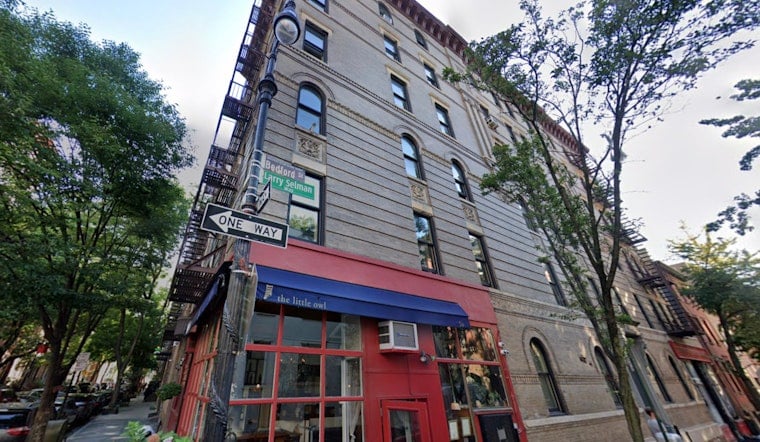
The buying spree runs from neighborhood sitcom landmarks to glassy Midtown towers. A Tokyo-linked buyer paid about $32.7 million for the West Village building at 90 Bedford Street, known to television fans as the exterior from Friends, according to local broker listings recorded by Baseline Real Estate Advisors.
At the higher end of the market, Mori Building has taken stakes in Midtown office landmark deals, including investments in One Vanderbilt, according to an SL Green press release from SL Green. Retail and mixed-use properties are drawing similar interest: Fast Retailing/Uniqlo acquired its flagship store space at 666 Fifth Avenue for roughly $350 million, a figure disclosed in corporate filings from Vornado filings.
Tax and legal angle
Japan’s tax rules are a quiet but important part of the story. Japanese guidance treats timber-frame buildings as having a statutory useful life of about 22 years, which can, in some situations, produce sharply accelerated depreciation for older structures. The Ministry of Land, Infrastructure, Transport and Tourism notes that tax and accounting norms categorize wooden buildings differently from reinforced concrete buildings, according to the Ministry of Land, Infrastructure, Transport and Tourism.
Tax advisers point out that once a building’s statutory life has been exceeded, the remaining depreciation window can be compressed in practice. That mechanism has helped draw Japan-based investors to older, wood-framed U.S. rental properties, according to guidance from 7VIP Tax.
What it means for sellers and renters
The influx of foreign capital has given New York’s investment market a jolt. Manhattan recently posted its strongest first quarter in years as investment activity picked up, with multifamily deals making up a large share of the dollar volume. Roared back with the biggest Q1 in five years is how one roundup described the quarter.
Brokers say the continued presence of yen-funded buyers could tighten competition for small multifamily buildings and nudge some owners toward selling rather than facing another refinancing cycle. For now, the Japanese wave appears set to keep rolling as long as the yield gap and tax treatment stay favorable and Tokyo-based firms remain interested in both neighborhood bargains and trophy stakes. New York sellers and policymakers will be watching to see whether this capital spreads ownership across a broader base or concentrates more of the city’s housing stock in the hands of a new group of overseas owners.



