

























































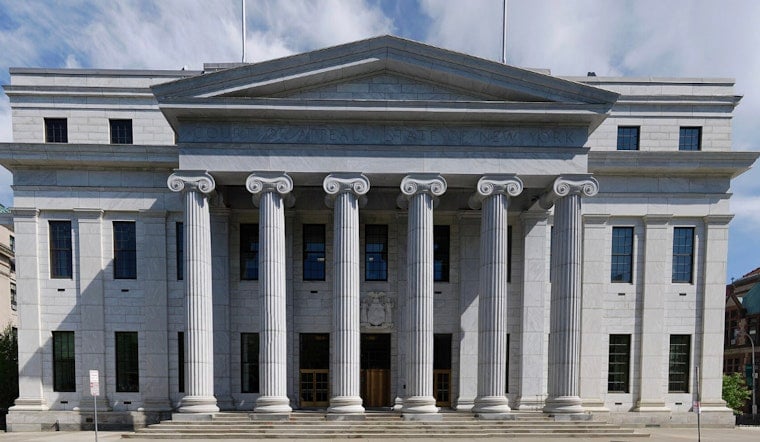
New York’s top judges have drawn a bright line for plea bargaining in abuse cases: prosecutors cannot make domestic violence survivors surrender their shot at a trauma-focused sentencing hearing just to secure a deal.
In a ruling issued Thursday, the Court of Appeals said prosecutors went too far when they conditioned a plea offer on a defendant dropping her request for a hearing under the state’s Domestic Violence Survivors Justice Act, or DVSJA. The high court reversed a lower appellate ruling and sent the case back to Supreme Court in Kings County for further proceedings.
What the Court decided
In People v. N.H., decided April 23, the Court of Appeals held that Penal Law § 60.12 hearings under the DVSJA are not something prosecutors can trade away during plea talks. The opinion leans heavily on the statute’s remedial purpose and flags amicus briefs from survivor-centered organizations that urged the court to protect access to these hearings.
As outlined by the New York Court of Appeals, the judges reversed the Appellate Division and remitted the case to the trial court for DVSJA proceedings.
From plea to appeal
In the underlying case, the defendant took a plea before any DVSJA hearing could be held. She pleaded guilty to first degree reckless assault in exchange for a five year prison term and five years of post release supervision.
That offer, however, came with a catch: prosecutors required her to withdraw her DVSJA hearing request as part of the deal. The Appellate Division later upheld that waiver. Its 2024 opinion is available from the New York Court System.
How the DVSJA works
Passed in 2019, the DVSJA lets a sentencing judge hold a dedicated hearing to decide whether a defendant’s history of domestic abuse was a significant contributing factor in the crime. If the answer is yes, the judge can consider a shorter sentence or a non-incarceratory option that better reflects the person’s trauma.
At those hearings, the statute allows courts to take in testimony, reports and reliable hearsay, and to weigh a broad menu of reduced or alternative sentences. For the statutory text and practitioner guides, see DVSJA materials from Cornell Law School.
Reaction from advocates
Survivor advocates quickly labeled the ruling a win for trauma-informed sentencing and for defendants who have lived through abuse. The Legal Aid Society praised the opinion for keeping DVSJA hearings on the table for survivors, according to amNY.
The court’s opinion itself notes the role of amicus briefs from survivor-focused groups that urged the judges to bar waivers of DVSJA hearings during plea negotiations.
What happens next
The Court of Appeals has remitted the case to Supreme Court, Kings County, for whatever DVSJA proceedings the trial judge finds appropriate. In practical terms, that means a hearing is now possible unless the defendant voluntarily declines it.
More broadly, the ruling blocks prosecutors from conditioning plea offers on a DVSJA waiver. Defense attorneys are expected to revisit or press DVSJA requests in cases where past plea bargaining effectively shut down that option. See the Court of Appeals decision for the full reasoning and remand directions.
Legal implications
Practitioners say the decision reinforces the DVSJA as a central tool for trauma-informed sentencing and could trigger a wave of renewed DVSJA motions by defense counsel who previously felt boxed in by waiver demands.
Court systems and prosecutors’ offices will likely need to update their plea bargaining guidance to reflect the ruling; for DVSJA-focused practice materials, see the New York State Defenders Association.





