

























































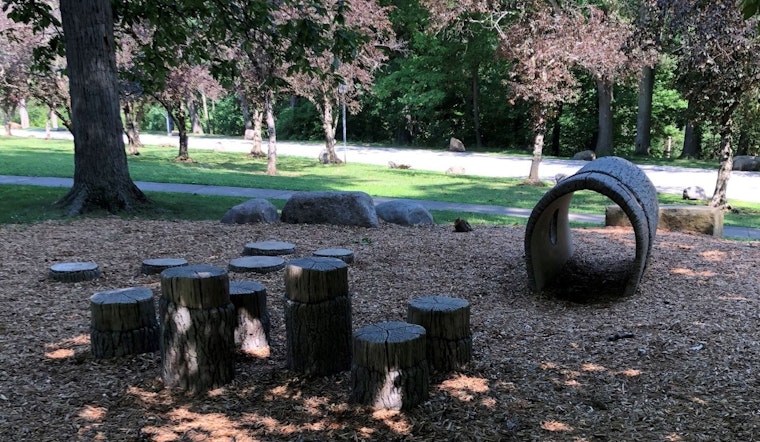
Hundreds of frustrated residents turned out this week to urge Cleveland Heights and Shaker Heights officials to slam the brakes on a long‑planned restoration at Horseshoe Lake Park. The project would remove portions of a failing dam and reshape Doan Brook, and opponents say that work would strip out mature trees and permanently change the park’s character. They warn that a new canopy would take decades to grow back and argue that irreversible landscaping should not move ahead without stronger assurances from local leaders. The flare‑up comes just as a key federal step in the permitting process wrapped up.
Permits and timeline
The Northeast Ohio Regional Sewer District says the project cleared a major regulatory hurdle when it received a final Memorandum of Agreement from the U.S. Army Corps of Engineers on March 31, 2026, a move that helps unlock a provisional Nationwide Permit. According to the Northeast Ohio Regional Sewer District, construction is slated to begin in 2026, and the district is now working through state and federal approvals before putting the job out to bid. Its implementation update details extensive replanting plans, including hundreds of trees and thousands of shrubs and plugs, intended to reestablish native habitat after the stream is rebuilt.
Opponents say trees and history are at risk
Neighborhood groups and long‑time residents say project documents and renderings show more than 25 acres will be regraded and that well over 1,000 mature trees are on the chopping block, a figure highlighted by the Shaker Lakes Conservancy. They argue the park’s cultural landscape, shaped since the 1800s, will be permanently altered. One organizer summed up the concern in an interview with The Land: “Clearing mature trees, regrading land, cutting channels and installing engineered controls is not a passive return to nature.”
NEORSD stresses safety and flood risk
The sewer district counters that the whole effort is about safety, not aesthetics. Inspections and state guidance found that Horseshoe Lake’s earthen dam is structurally deficient and out of compliance with Ohio dam‑safety rules, and updated stormwater models show that keeping the existing structure provides only limited flood‑control benefits. Jennifer Elting, the district’s communications manager, told Ideastream Public Media that the plan reduces the risk of a catastrophic breach downstream and that cost and hydraulic analyses drove the district’s recommendation.
Legal questions and what's next
The restoration has already drawn legal fire. A Cleveland Heights attorney warned the district in December that the work could violate federal preservation and environmental laws and threatened emergency injunctive relief. Both suburbs have since hired outside counsel to review their options, according to Cleveland.com.
Neighbors say they will keep pressing officials at public council meetings to pause the work while federal and state permits are finalized, a tactic spotlighted in local television coverage by Fox 8 Cleveland.
What residents can expect
Councils in Shaker Heights and Cleveland Heights are expected to continue reviewing MOAs, permit filings, and the district’s design documents in the coming weeks. Residents are slated to get additional chances to weigh in at public‑engagement events before major construction begins. For now, the battle lines are familiar: officials and engineers cite immediate safety and regional stormwater needs, while many locals are fighting to hang on to an aging but beloved urban landscape.



