

























































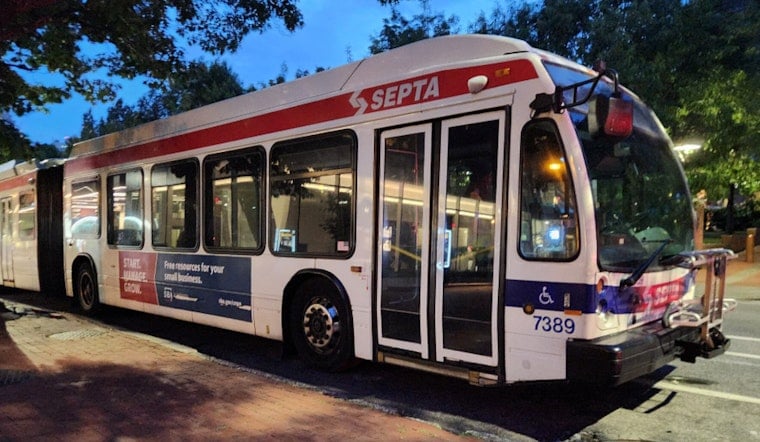
Some SEPTA bus drivers in Philadelphia are now climbing behind bullet‑resistant glass before they ever pull out of the depot, and the reaction from those at the wheel is blunt: they feel safer. The transit agency has started rolling out reinforced operator “cockpits” on a small slice of its fleet after months of demonstrations, stress tests and a wave of assaults that pushed both management and unions to demand tougher protections.
What SEPTA Is Installing
SEPTA says the new enclosures are built to shield drivers from gunfire and physical attacks, and that it is the first transit authority in the country to put this specific technology into service on part of its bus fleet, according to CBS News Philadelphia. Sean Taggart, SEPTA’s chief officer for automotive equipment engineering and maintenance, told the outlet the enclosure "passed all the standards for what they call UL 752 Level 3," which the agency described as roughly three shots from a .44 Magnum at 15 feet. Buses that do not get the new glass will hold on to their existing protective doors and emergency exit windows.
How the Glass Was Tested
To convince skeptical operators and union leaders, manufacturers and law‑enforcement teams took prototypes to a range in Bucks County and opened fire. The layered glass and polycarbonate panels were hit with multiple rounds to show how they absorb and spread out ballistic energy. Most shots were stopped; manufacturers described one "less than lethal" pass‑through during the demonstrations, as reported by 6ABC and earlier covered in SEPTA Advances Safety Measures. Those range sessions were part of a months‑long evaluation before SEPTA agreed to bolt the first units into active buses.
Pilot Size and Rollout
In testimony to City Council, SEPTA described what it is calling the Ballistic Bus Barriers Pilot, which will place full, bullet‑resistant enclosures on eight buses, with the first one expected to start carrying passengers later this spring, according to the Philadelphia City Council. The agency also outlined a separate Safer Bus Operator Area Initiative that will add emergency egress windows and "max glass" retrofit kits to other vehicles. During the pilot, engineers will track weight, driver comfort and route performance before deciding whether to expand the program.
Union Backing and Who Built the Cockpits
Union officials who attended the live‑fire demos say these shields grew out of tough contract talks and sustained worker pressure, and they are publicly backing the pilot as a meaningful step toward keeping operators alive and on the job, FOX29 reported. The physical hardware is being built by contractors; EMD Controls & Fabrication lists a project to produce the custom cockpits SEPTA is now testing across its bus system. Union leaders say the first units are being steered to higher‑risk routes and depots while engineers watch for any ripple effects on passenger seating or the way buses handle.
Operators Say the Difference Is Immediate
Drivers who have spent time behind the new glass say the change hits them the moment they close the door. One operator put it plainly: "Now that we got the door and glass, I think it's a lot safer," the driver told CBS News Philadelphia. SEPTA has pegged the retrofit at roughly $10,000 to $20,000 per bus and says it is also offering a $1,000 reward for information that leads to an arrest and conviction in cases involving assaults on transit workers. At the same time, the authority is working with manufacturers so that future buses can roll off the line with similar protections already built in.
Legal and Policy Response
The rush toward hardened cockpits accelerated after the fatal October 2023 shooting of SEPTA driver Bernard Gribbin, a killing that local outlets documented extensively and that continues to hang over safety discussions. In response, the agency is backing a change in state law to increase penalties for interference with transit operators, according to testimony filed with the Philadelphia City Council. The Philadelphia Inquirer has followed both the Gribbin case and the broader fight over operator safety, noting that the shooting helped spur SEPTA’s ballistic glass pilot and a proposed "Bernard N. Gribbin" law in Harrisburg.



