

























































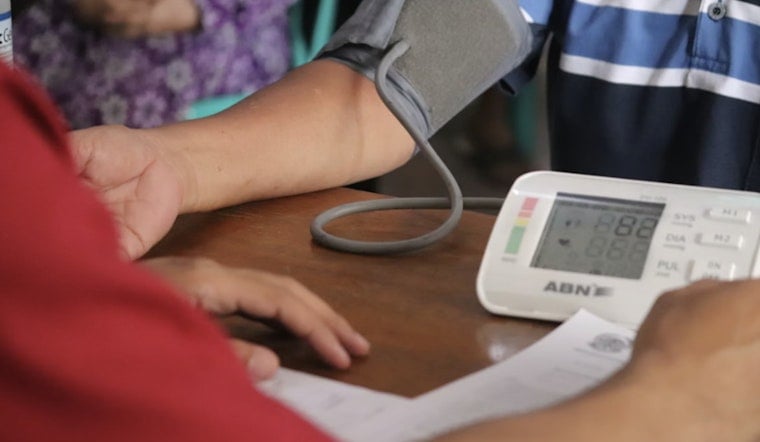
In San Antonio, a load of laundry now comes with something extra: a quick health check that might catch a serious problem before it explodes into an emergency. A local effort called SPIN, short for Supporting Prevention in Neighborhoods, is turning laundromats into pop-up health clinics and is about to scale up in a big way after landing a $1.1 million grant.
The Baptist Health Foundation of San Antonio has awarded a three-year, $1.1 million grant to UTHealth Houston School of Public Health to grow SPIN across the city, according to UTHealth Houston School of Public Health. The funding will expand health education, referrals and a "warm handoff" system that connects laundromat customers directly to University Health for follow-up care. "So far we've mostly just been doing the screening of health conditions," SPIN founder Jack Tsai said in the statement.
As reported by Axios San Antonio, what started as a small pilot is now stretching into roughly a dozen laundromats across the city, with several new locations switching on in recent days. Program staff set up inside the wash-and-fold spots to offer quick blood-pressure checks, A1C diabetes tests and brief mental-health screenings. Customers get results within minutes and, if something looks off, they are steered toward low-cost or free care options.
What the data show
A 2026 screening study found that laundromat users carry a heavy burden of chronic disease and unmet medical need. In that sample, 61.1% screened positive for hypertension and diabetes rates were higher than Bexar County averages, according to American Journal of Health Promotion. Earlier work with San Antonio laundromats found that more than half of patrons lived at or below the federal poverty line and about 78% said they would be open to receiving services right where they wash their clothes, according to Journal of Community Health.
Why laundromats?
Program leaders say the setting is the secret sauce. Laundromats are regular stops in many low income neighborhoods, and customers are literally stuck waiting on the spin cycle, which makes them more willing to chat and get a quick screening. "We think the work is important because it engages underserved communities and catches them when they have idle time," Tsai told Axios San Antonio.
What's next
UTHealth says the new funding is designed to move SPIN from reaching hundreds of people to reaching thousands over the next three years and to place teams in 16 laundromats across Bexar County, according to UTHealth Houston School of Public Health. The program will also work with SpinXpress to tap into smaller neighborhood laundromats. Organizers plan to track referrals and follow up care to see whether those quick checks between wash and dry actually translate into long term treatment for conditions flagged on site.
Public health researchers say this laundromat model could be a relatively low cost way to push preventive care into communities that need it most, but its success will hinge on strong referral networks and reliable funding. City health officials and academics will be watching SPIN's results closely as the program scales to find out whether convenience at the coin-op turns into real, lasting health gains.





