

























































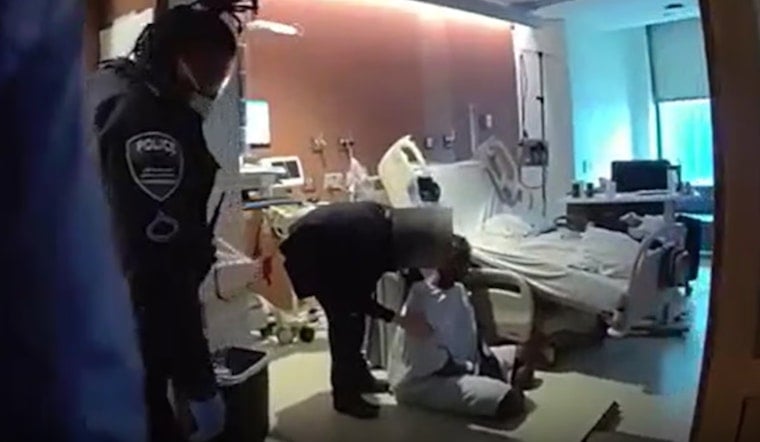
A year after 39-year-old double-amputee Tasha Grant died while in custody, her family is taking Cuyahoga County and The MetroHealth System to court, accusing both of fatal failures in how she was restrained and treated.
The civil complaint, filed May 1, 2026, on behalf of Grant’s 11-year-old son, names Cuyahoga County and MetroHealth and alleges reckless conduct, excessive force and inadequate medical care, according to Cleveland.com. Grant, who had complex medical needs, died after an encounter at MetroHealth in early May 2025 that the lawsuit says the hospital and county jail mishandled. The filing alleges that officers and a deputy pinned Grant to a bed while a clinician injected a sedative that the complaint says slowed her breathing.
Body-camera footage released last year shows Grant repeatedly telling staff she could not breathe while being restrained, according to The Marshall Project. That video, along with the family’s account that Grant cried out more than twenty times that she could not breathe, now sits at the center of the lawsuit’s claim that clear signs of distress were ignored.
Autopsy Finds Restraint Played a Role
The Cuyahoga County medical examiner ruled Grant’s death a homicide, listing the cause as “physical restraint in the setting of congestive heart failure” and citing coronary artery disease, Type 1 diabetes and obesity as contributing factors, according to News 5 Cleveland. A preliminary autopsy found that Grant went into cardiac arrest minutes after the restraint ended.
In the wake of that finding, prosecutors assigned a special prosecutor to review the case, and the county later agreed that an outside agency would conduct the investigation, Ideastream Public Media reported.
What the Video Shows
Multiple clips released by authorities capture a brief struggle as officers try to get Grant back into bed, followed by a period in which she is handcuffed to the bed rail and repeatedly says she cannot breathe, according to The Marshall Project. In one exchange on the recording, an officer tells Grant, “You’re yelling, so you can breathe.” Experts cited by reporters say that kind of remark reflects a dangerous misunderstanding of respiratory distress and that proper monitoring after the restraint was not provided.
Legal Response and Next Steps
The lawsuit seeks damages and argues that a chain of systemic failures by the county and hospital led to a preventable death. On a separate track, the special prosecutor is reviewing whether criminal charges are warranted while outside investigators collect video, medical records and staff statements.
Legal Implications
A homicide ruling from the medical examiner raises the stakes on both the civil and criminal fronts. It does not automatically trigger criminal charges, but it gives prosecutors and, eventually, jurors a formal finding that physical restraint contributed to the death. In civil court, the family’s complaint sets out tort claims, including reckless conduct, excessive force and failures in medical care, which will be argued even as the criminal review continues.
MetroHealth has said it cannot comment on pending litigation, has expressed sorrow for Grant’s family and has retained outside counsel as investigators scrutinize the case, according to local reporting. Advocates, attorneys and relatives say Grant’s death highlights ongoing questions about how jails, hospitals and police coordinate care for people in crisis, and they have renewed calls for independent oversight whenever someone dies in custody, according to local coverage.



