

























































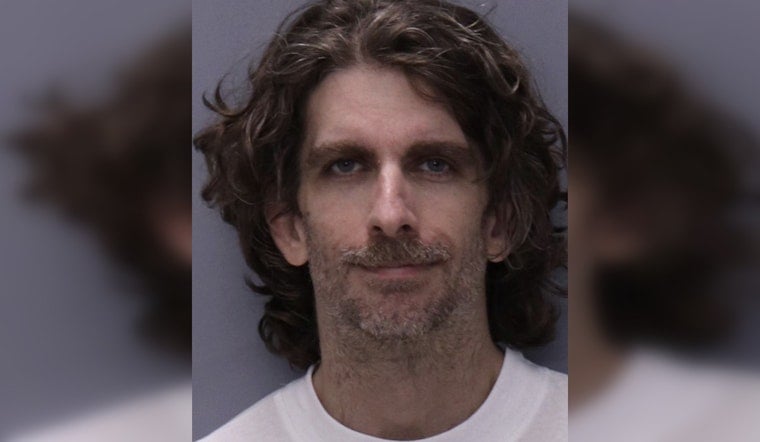
Outside the same Manhattan courthouse where his son set himself on fire during Donald Trump’s hush-money trial in April 2024, Richard Azzarello is now focused on a very different message: saving lives. After both of his son Maxwell’s kidneys were transplanted into two patients, the grieving father is urging New Yorkers to sign up as organ donors and to talk openly with loved ones about end-of-life wishes. During a recent visit to an organ-donation nonprofit in Queens, he said he wants something life-giving to emerge from a loss that still feels almost unbearable.
Donations confirmed
LiveOnNY, the federally designated organ-procurement organization for the New York metro area, confirmed that Maxwell Azzarello was a registered donor and that both of his kidneys were successfully transplanted, according to Action News Jax. The organization extended condolences to the family and said the transplants involved organs that were part of the national waitlist. Because of medical-privacy rules, hospital officials have not publicly identified the recipients or disclosed detailed information about them.
Recipients and a father's visit
According to New York Daily News, Maxwell’s kidneys were transplanted into a 52-year-old man and a 66-year-old woman, and both patients were reported to have had successful surgeries. The outlet also published photos of Richard Azzarello at LiveOnNY’s offices on 47th Avenue in Queens on April 24, where he spoke about his son, urged more people to sign donor forms, and tried to channel his grief into advocacy.
How it unfolded
On April 19, 2024, in Collect Pond Park, the designated protest zone across from Manhattan Criminal Court, Maxwell Azzarello doused himself with a flammable liquid and set himself on fire after throwing pamphlets and posting a manifesto online, TIME reported. Civilians, court officers, and police rushed to extinguish the flames, and he was transported to NewYork-Presbyterian/Weill Cornell, where he later died. Authorities reviewed his writings and online posts as part of their search for a motive.
Father's plea
Azzarello told New York Daily News that his son’s decision to register as an organ donor has given the family a sliver of comfort. Knowing that two people received Maxwell’s kidneys, he said, offers a small measure of solace and a sense of legacy. He hopes that sharing the story will push more people to register as donors and to have clear, honest conversations with relatives about their wishes so those decisions are not left to chance in a crisis.
Why it matters
LiveOnNY notes that registered organ donors can become lifesaving matches for people waiting on transplant lists and urges New Yorkers to both enroll as donors and make sure their families know their preferences. The Azzarello family’s public advocacy underscores how those choices, and the conversations around them, can become crucial at the very moment they are needed most.
The criminal investigation into Maxwell Azzarello’s self-immolation remains with law enforcement. For now, his family is concentrating on organ donation and the many patients still waiting for the call that a life-changing transplant is finally available.





