

























































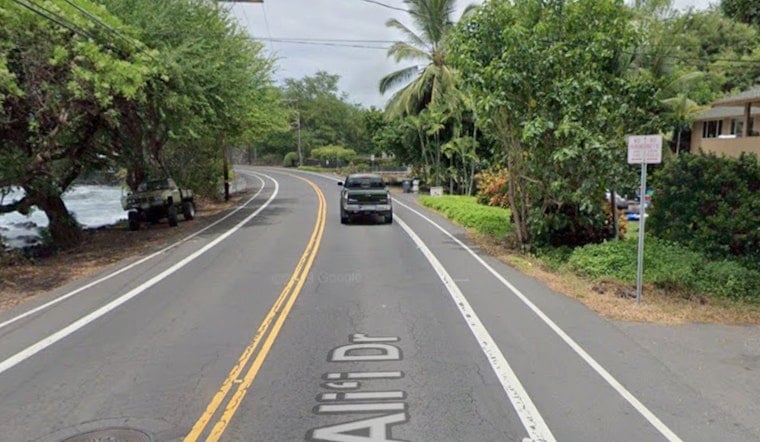
Historic Kailua Village is deep into a paid-parking boom that residents and merchants say is squeezing the life out of downtown. Business owners report customers cutting shopping and dining trips short to dodge surprise fees, workers juggling costly monthly permits or hunting for scarce free stalls, and a growing number of empty storefronts along Aliʻi Drive. A county effort to rein in those charges has stalled, leaving locals to push for new rules while private operators keep cashing in.
County draft aimed to cap private parking rates
An ordinance proposed by Councilmember Rebecca Villegas would add an article to the Hawaiʻi County code that, among other provisions, requires three free hours for patrons, caps hourly parking at $2 during the first 24 hours and limits daily storage fees to $30. It would also mandate clearly posted rates and outline appeal procedures for disputes. Hawai‘i County records show the bill also sets limits on failure-to-pay charges and authorizes county enforcement. Supporters say the rules are designed to protect access to local businesses and the shoreline.
Measure stalled after legal warnings from operators
Council committees put the brakes on the proposal after parking operators and some council members raised legal concerns about the county regulating prices on private property. At an early-March hearing, Diamond Parking’s Kona city manager Jasmine Crusat told the council the bill "crosses a clear constitutional line" and could discourage investment, testimony reported by Big Island Now. The measure was ultimately shelved amid those warnings, according to recent coverage, and Civil Beat reported that Villegas has since introduced separate bills to require posted rates and to ban new paid lots.
Merchants say parking is already chasing customers away
For merchants on Aliʻi Drive, the impact feels immediate, not theoretical. “They turned parking into a business and ruined the community,” boutique worker Destiny Hoskins told Civil Beat, describing shoppers who rush back to their cars to avoid new charges instead of lingering in local shops. Employees at some restaurants say they now pay out-of-pocket for monthly parking or show up late after circling for free spots, and business owners point to numerous “for lease” signs inside the Kona Inn Shopping Village as paid stalls spread through the area.
Companies defend the model and highlight resident discounts
Parking operators counter that they are simply responding to demand and that new technology at many lots allows for validations and deals for locals. PARKLINQ, the Honolulu-based platform used at several Kona locations, advertises resident reward programs and touchless payment tools on its site. Local reporting has documented a wide spread in posted or reported rates, from single-digit hourly prices to more than $20 an hour in some lots, fueling calls for clearer signage and caps. Big Island Now has tracked the differing rates in recent coverage.
Legal fine print and how enforcement would work
The risk of countersuits or other legal challenges was a central reason lawmakers paused the broader rate-cap proposal, and the draft ordinance spells out civil fines and administrative enforcement if the council ever moves it forward. The draft authorizes notice-of-violation orders, administrative correction deadlines and civil fines, specifying $1,000 for a first offense and $2,000 to $5,000 for subsequent violations, along with appeals to the county board, according to the county document. That level of legal and bureaucratic complexity helps explain why some lawmakers now favor narrower transparency rules or a ban on new lots rather than wide-ranging price controls, Hawai‘i County records show.
Organizing and the road ahead
Locals have organized under a "Fix Paid Parking" committee that has been lobbying the county and holding public meetings to press for action, and business groups say they want a predictable, affordable system that still lets property owners manage their own lots. Fix Paid Parking organizers say the goal is fair rates and clearer signage so visitors and residents are not blindsided by fees. For now, the fight is likely to play out in committee rooms and community meetings as officials wrestle with how far Hawaiʻi County can go in regulating private parking on the Big Island.





