

























































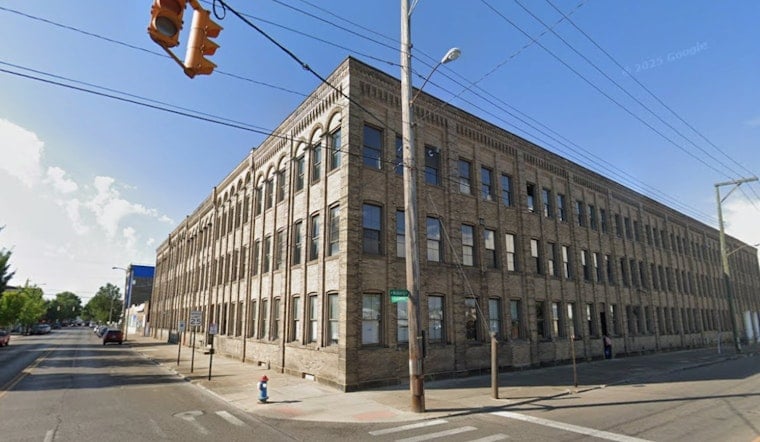
The Shumaker, a long-vacant factory on Columbus Street in downtown Lancaster, has officially traded rust for residents. The historic complex at 219 North Columbus Street has been converted into a mixed-use property with apartments, short-term rentals and new street-level storefronts. Roughly 138,000 square feet of former industrial space now holds 60 market-rate units and commercial suites, a turnaround city officials describe as a long-awaited boost for the center of town. Leasing is ramping up as the project gets its final polish this spring.
According to Columbus Business First, the redevelopment carries a $24 million price tag and has been labeled “spectacular” by some local leaders. That outlet reports the project is now crossing the finish line and ranks as one of the largest private investments in downtown Lancaster in recent years. Developer Urban Restorations led the conversion, steering the long-dormant property through financing, environmental cleanup and construction to completion.
Developer, Size And Leasing
Urban Restorations’ project page pegs the building at about 138,000 square feet and confirms the address at 219 North Columbus Street, noting that historic elements were preserved while modern amenities were added, as detailed on The Shumaker. The site lists 60 residential units, several short-term rental units and multiple ground-floor commercial suites, and it is actively advertising “Now Leasing” with availability this spring. The developer also promotes new courtyard and amenity areas intended to appeal both to downtown residents and to weekend visitors looking for a walkable stay.
Public Funding And Tax Credits
Public incentives helped close the financial gap. The Ohio Brownfield Remediation Program awarded a $600,000 cleanup grant for the Shumaker remediation project, according to the Ohio Department of Development’s grant listings. Lancaster’s financial reports and county documents show that Urban Restorations received roughly $3.2 million in state historic-preservation tax credits to support the overhaul, and city council minutes record a $65,000 fire-impact fee credit approved in the development agreement. Those pieces, combined with federal historic tax credits and private financing, were described as essential to getting the long-stalled site back into productive use, as reflected in the city’s financial report.
What It Offers Downtown
The Shumaker brings new housing and retail space to a downtown that local leaders say needs both. The Lancaster Port Authority and partner organizations have called the project transformational, pointing to plans for 60 apartments, short-term rentals and room for multiple commercial tenants. The Port Authority notes that a sales-tax exemption was part of the public support package designed to help attract operators, and local loan programs are being promoted to help small businesses handle buildout costs. Earlier estimates put the project budget closer to $19 to $20 million; the higher final total reflects additional remediation and construction work needed to satisfy preservation requirements.
Retail Space And Small-Business Opportunity
Commercial listings show more than 22,000 square feet of first-floor space available at The Shumaker, with individual suites that can be combined or leased separately for uses such as cafés, studios or restaurant concepts, according to commercial property listings. That spread of footprints, from compact shop spaces to larger restaurant-ready pads, is what local officials hope will liven up Columbus Street and feed into a broader downtown recovery. Programs such as the Fairfield County Revolving Loan Fund have been highlighted as possible tools to help independent operators bridge lease gaps and cover interior buildout.
“The transformative downtown project will address the community's need for housing,” the developer states on the project page, and city officials say the real verdict will come once residents move in and businesses start opening their doors. For now, The Shumaker stands out as a rare large-scale private investment in Lancaster’s core and a test case for adaptive-reuse projects across the region. Prospective renters and small-business owners can find leasing information on the project’s site and through Lancaster’s economic development offices.



