

























































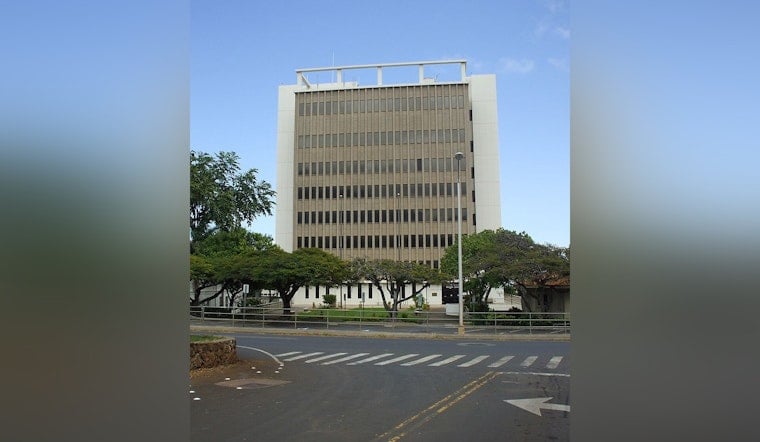
Maui County Council’s regular meeting last Friday was anything but sleepy. In one sitting, members signed off on a six-figure refund for a developer tied to a workforce-housing deal, pumped millions more into the county’s March “Kona Low” storm emergency fund, and kicked a closely watched “houseless” terminology and planning bill to committee. Together, the moves link long-running housing rules with a fast-moving effort to bankroll storm recovery.
Developer refund draws committee scrutiny
According to the Maui County committee agenda, the council approved a measure to refund $234,050 to Kamalani Ventures LLC and simultaneously asked staff for follow-up paperwork. That includes calculation workpapers and a detailed timeline explaining how the repayment was put together. The agenda shows the affordable housing repayment item was flagged for extra oversight before councilmembers took their final vote.
Kona Low damage pushes more emergency money
After back-to-back Kona Low storms in March, the mayor requested emergency funds, and the council initially signed off on $12 million to jump-start repairs and response efforts, according to the county’s press release. The governor’s office later announced that FEMA affirmed a Presidential Major Disaster Declaration for Hawai‘i, opening the door to federal assistance for Maui County as the recovery work continues.
Credits dispute, fund increase and ‘houseless’ bill
Local reporting shows the council approved on second and final reading an amendment that lifts the March Kona Low emergency fund from $12 million to $32 million, and that the Kamalani repayment measure followed a dispute over 55 “undelivered” housing credits. Maui Now reports Kamalani was required to build 115 affordable units but completed 170, and that the company paid $676,000 when the extra units were sold at market rate. The $234,050 refund reflects the county’s recalculation tied to those credits. The council also referred Bill 77, introduced by Councilmember Shane Sinenci, to the Water Authority, Social Services and Parks Committee. The proposal would replace the word “homeless” with “houseless” in county code and require the Housing Department to prepare an annual plan tracking “suitable living environments” and the number of houseless residents served.
What’s next
The Budget, Finance and Economic Development Committee had previously asked the Housing Department for calculation workpapers and a detailed timeline, signaling continued oversight as the refund moves through the county’s accounting process. Bill 77 will be taken up in the Water Authority, Social Services and Parks Committee, where members and staff can debate whether a defined portion of the Affordable Housing Fund should be set aside to create suitable living environments for residents who are without shelter.





