

























































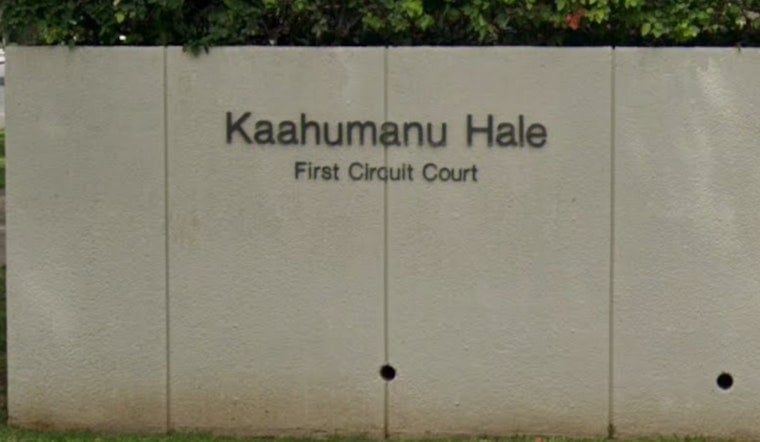
A First Circuit Court judge on Friday refused to toss early statements from three relatives charged in the death of 10-year-old Geanna Bradley, clearing prosecutors to use portions of January 2024 interviews at trial. The ruling keeps what the state calls key admissions on the table while pushing fights over later remarks and other issues to future hearings.
Judge Paul Wong denied the defense request to bar statements made on Jan. 18 and Jan. 19, 2024, and ruled that any admissions made before 9 p.m. on Jan. 19 can be introduced at trial, according to the Honolulu Star-Advertiser. The judge left unresolved what will happen to comments made after that cutoff and set additional motion hearings for June 19, 2026.
Prosecutors' evidence
Prosecutors say forensic extractions from the adults’ phones uncovered photos and video that showed the child bound with duct tape and an enclosed porch where she was allegedly kept. Those materials, along with other evidence described in the indictment, support multiple counts including second-degree murder and kidnapping, according to Honolulu Civil Beat.
Investigation timeline
According to court documents, police were called to 33 Karsten Drive in Wahiawa on Jan. 18, 2024, and found Geanna unresponsive. The filings describe an enclosed porch where she was allegedly confined. The Honolulu Medical Examiner later cited starvation and neglect among the causes of death, as reported by Hawaii News Now.
Defense response and next steps
Defense attorneys argued that the initial interviews were custodial and should have been suppressed, filing motions on behalf of Brandy Blas, Thomas Blas Sr. and Debra Geron. Judge Wong set a hearing on additional motions for June 19, 2026, and the case remains scheduled for the week of Jan. 25, 2027, according to the Honolulu Star-Advertiser.
What this means legally
Keeping the early interviews in play preserves statements prosecutors say help show a pattern of abuse and tie in with the digital evidence pulled from phones. The defense still has room to challenge later comments and the scope of any consent to searches, fights that could significantly shape what jurors eventually hear when the case goes to trial.





