

























































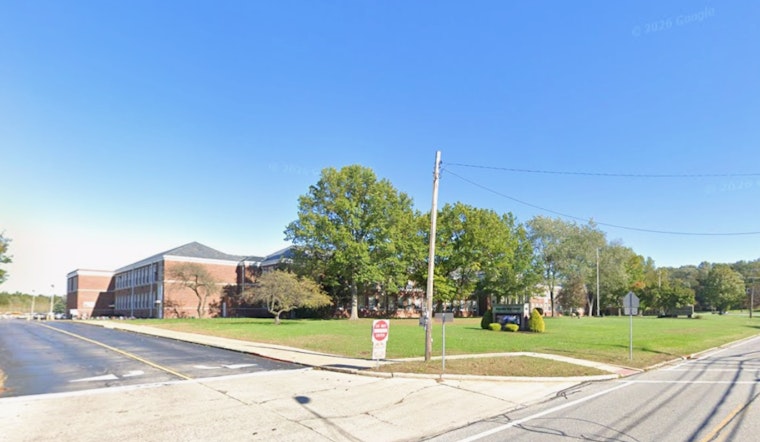
Riverside Local Schools is lining up a massive facilities makeover and a new bite out of local paychecks at the same time, putting voters squarely in the middle of a high-stakes tradeoff between bricks, mortar and day-to-day classroom needs.
At an April board meeting, district leaders outlined a roughly $120 million facilities overhaul and floated a continuous 1% earned-income tax aimed at stabilizing operating funds. On the same night, the board signed off on early preconstruction work for an expansion at Buckeye Elementary, a move that signaled the district wants to push both planning and financing forward this spring. The timeline sets up a race between big-ticket construction plans and the district’s immediate budget strain, forcing trustees to weigh new borrowing against maintaining existing programs and services.
District presentations sketched out a long-range facilities plan that includes new construction, renovations and reconfigured grade alignments across multiple buildings. Administrators paired that with the proposed 1% earned-income tax, which in Ohio applies only to wages and similar earned income, and stressed that it would be set aside strictly for operating costs, not building projects. The board approved a $22,585 preconstruction survey for the Buckeye Elementary expansion, while staff walked through a modeled $15 million borrowing package to jump-start parts of the program. Officials also pointed to an estimated $600,000 to $800,000 bill to replace turf at the district athletic field. Treasurer Dr. Stephen Thompson told the board the district is still in deficit-spending and warned that taking on debt service would push Riverside from building reserves into drawing down cash, as reported by Cleveland.com.
Budget strain and borrowing
Underneath the construction wish list, the numbers are tightening. Riverside’s February 2026 five-year financial forecast shows revenue inching up only modestly while expenditures are projected to grow faster, which leads to shrinking operating margins and less cushion for the unexpected. The document models how planned borrowing, combined with the absence of new operating levies, would pull down cash balances over the next several years and flags a persistent shortfall unless the district’s revenue picture changes. According to Riverside Local Schools' February 2026 financial forecast, the district is bracing for a narrowing gap between revenues and expenses that will limit financial flexibility going forward.
What the tax would pay for
District officials have been careful to pitch the proposed 1% earned-income tax as a tool for keeping the lights on, not for pouring concrete. Because Ohio’s school district income tax on earned income is tied to wages and similar earnings, administrators say the new money would be earmarked for daily operations such as payroll, transportation, special education services and other recurring costs that keep buildings staffed and buses running. Major construction and renovation projects, they noted, would instead rely on borrowing or separate capital-focused ballot measures, a structure they say keeps operating and facilities funding in clearly separate lanes. As reported by Cleveland.com, district leaders framed this split as a strategy to protect core classroom services while still pursuing long-term upgrades to aging buildings.
Next steps and legal path
The tax proposal is not on the ballot yet. Under Ohio law, any school district income tax must go to voters, and boards have to follow a specific sequence of resolutions, certifications and filing deadlines before an issue can appear on an election calendar. State statute lays out the ballot language and process for a school district “earned income” tax, along with the steps boards must complete before sending a proposal to the county board of elections. Per the district’s public calendar and board materials, trustees plan to keep reviewing sharpened cost estimates and financing options at upcoming meetings, while staff work through the legal and budgeting requirements spelled out in the Ohio Revised Code and reflected in the district’s board calendar and briefs.
Parents, staff and taxpayers are expected to push for clearer dollar figures, timelines and tradeoffs as the district moves from broad concepts to detailed pricing. Board members have said that updated preconstruction numbers and a recommended financing package will be presented at future meetings so the community can scrutinize the plan before any final decision to put a tax request on the ballot.





