

























































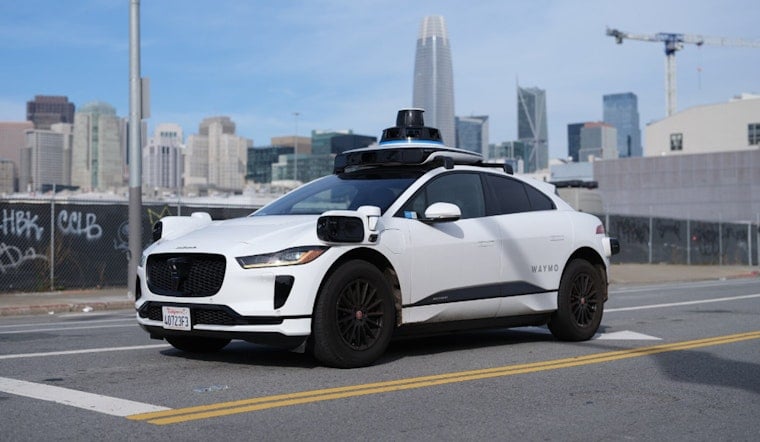
Several driverless Waymo robotaxis rolled straight into standing water on Riverside Drive on Thursday, then froze in place, clogging traffic and forcing human drivers to squeeze around the stalled cars. For a city that has become a high-profile test bed for autonomous vehicles, it was another messy scene in a growing list of incidents that have first responders and city leaders pushing for clearer rules, faster coordination with operators and, potentially, new guardrails from state lawmakers and federal investigators.
The flooded-roadway fiasco started with footage from local station KXAN Austin, which shows multiple Waymo vehicles entering the waterlogged stretch of Riverside Drive and then stopping, forcing nearby drivers to improvise their way around them. National outlets and social media quickly picked up and amplified the clip, according to AOL.
Robotaxi Missteps Put First Responders On Edge
That viral video is only the latest episode in a pattern that has emergency crews on alert. One earlier case involved a robotaxi that briefly blocked an ambulance during a March 1 mass shooting on Sixth Street, an incident that has stuck with Austin’s first responders and council members.
As reported by Axios, Waymo told city leaders it would not attend a public meeting about the ambulance incident, saying it had already briefed officials privately. At that special session, first responders told officials that videos played for them showed cars freezing amid heavy foot traffic and failing to recognize hand signals, according to FOX 7 Austin.
Federal Investigators Zero In On School Bus Incidents
The federal government is not sitting this one out. The National Transportation Safety Board has opened a formal investigation into multiple incidents in Austin where automated vehicles passed stopped school buses. A preliminary NTSB report describes a January 12 incident in which a Waymo vehicle stopped, contacted remote assistance, was told the bus had no active signals, then resumed driving while the bus’s stop arms were still extended, according to the NTSB.
The agency notes that the National Highway Traffic Safety Administration opened a preliminary evaluation last year, and that Waymo responded with a software recall affecting more than 3,000 vehicles. In a separate case involving heavy rain, footage of a vehicle entering a flooded roadway in San Antonio prompted Waymo to temporarily pause operations there, the company told KSAT.
Cities Chafe As Texas Keeps AV Power At The State Level
Local leaders say their leverage is limited because Texas law largely preempts city-level regulation of autonomous vehicles. The state will require companies to register for a commercial AV permit beginning May 28, according to Axios, but Austin officials say they are still trying to shape how those vehicles behave on the ground.
City staff have asked AV operators to geofence around major incidents, share disaster-planning information and participate in emergency drills. Meanwhile, the school district has publicly released clips that show robotaxis rolling past stopped school buses, an issue Austin ISD Shares New Clips previously covered. Researchers at the University of Texas have urged a dynamic safety certification system that would monitor autonomous-vehicle performance over time, according to reporting by Texas Standard.
City officials say they plan to keep pressing AV companies for clearer emergency protocols while they track the NTSB probe and the rollout of the state’s new permitting rules. Austin Fire Battalion Chief Matt Holmes told FOX 7 Austin the department has already offered to run training scenarios so companies can test how their vehicles respond to hand signals and chaotic scenes. With the permit deadline approaching and federal investigators in the mix, city leaders say they want faster data-sharing and a straightforward way to temporarily pull robotaxis back during major emergencies.




