

























































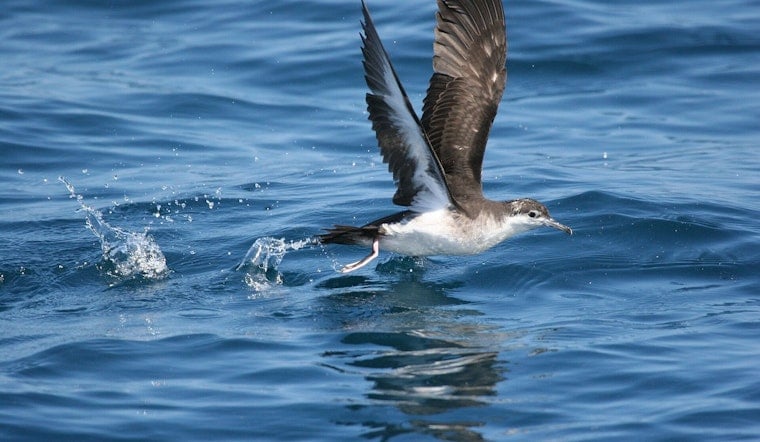
Conservation crews on Kauaʻi walked into a nightmare at Keoneloa, better known as Shipwreck Beach, on Wednesday evening. They counted 168 dead adult ʻuaʻu kani, or wedge‑tailed shearwater seabirds, many of them breeding birds that had just returned to their burrows. Partially eaten carcasses were scattered across the nesting area, a few shaken survivors were still hiding in nearby burrows, and locals along with wildlife groups quickly warned the massacre could seriously damage the colony.
The discovery began when a visitor reported the scene to Archipelago Research and Conservation Kauaʻi. Science director Dr. Andre Raine responded to the site and helped tally the dead. "It was like walking through snowdrifts of feathers and bodies," Raine told Kauaʻi Now. The group says news of the kill spread quickly and ignited islandwide outrage.
Why experts suspect cats
State and conservation experts say the injuries match what they typically see from cats. Department of Land and Natural Resources natural resource management specialist Bret Mossman told Hawaii News Now that cats often leave "little clumps of feathers" and sometimes remove a bird's head and brain, details that line up with what was found at Shipwreck Beach. Mossman also warned that because all of the birds were adults, the hit to breeding birds could ripple through the colony's reproductive success.
How big an impact
The Department of Land and Natural Resources has estimated that roughly 1,500 ʻuaʻu kani nest along Kauaʻi's south shore. Losing 168 adults in a single episode is a major blow to that local population, conservationists told Kauaʻi Now. Officials say similar mass predation events have occurred on Kauaʻi in recent seasons, including other large losses last year, underscoring that this is not a one‑off shock but a recurring threat for seabird colonies. The size of the April kill is now driving urgent calls for stepped‑up predator control and closer monitoring.
Local laws and calls for action
Advocates are pointing to the killings as proof that Kauaʻi needs stricter rules for pets and feral cats near sensitive habitat. Feeding feral cats on county property was banned by the Kauaʻi County Council in 2022, according to Hawaii News Now, and conservation groups now want tougher enforcement along with more money for predator‑control programs. Rescue organizations and scientists are also urging residents to keep pet cats indoors and to report feral colonies so managers can respond in humane and effective ways.
How to report and help
The Department of Land and Natural Resources lists island‑specific contacts and instructions for reporting injured or grounded native birds on its wildlife page at DLNR Wildlife. The Kauaʻi Humane Society provides guidance on handling cat colonies, trap‑neuter‑return programs and keeping pet cats indoors, which is available at the Kauaʻi Humane Society website. Conservationists are asking residents not to feed feral cats, to secure pets away from shorelines and nesting areas, and to report injured or dead seabirds so wildlife teams can investigate and better protect the remaining colonies.





