

























































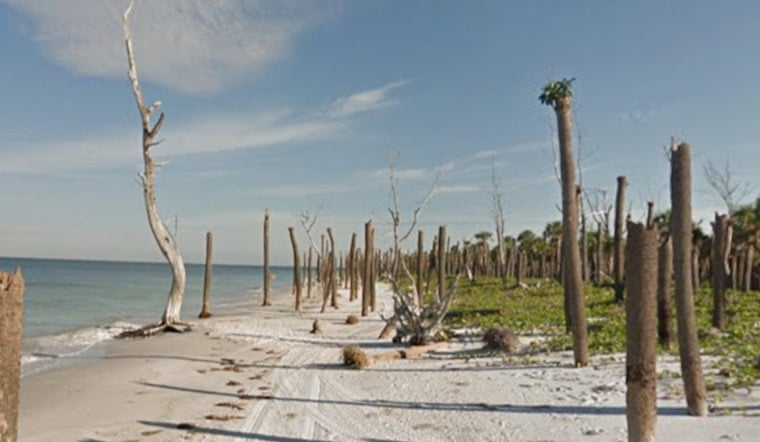
Egmont Key, the low, scrubby island guarding the mouth of Tampa Bay, is still chewed up from Hurricane Helene, and locals say the clock is ticking to keep more of it from washing away. Volunteers and the Egmont Key Alliance have spent months dragging off storm wreckage and busted docks, and community leaders are now rallying around a coordinated plan that would use dredged sand to rebuild the island’s disappearing west beach. At this week’s State of the Island forum, pilots, preservationists and park stewards huddled over what comes next for the lighthouse, wildlife habitat and public access.
Storm damage and cleanup
Speakers at the forum painted a rough picture. Beaches are still littered with mattresses, refrigerators and splintered dock debris after Helene, and one cleanup crew reported hauling out about 20,000 pounds of junk in a single effort, according to FOX 13 Tampa Bay. The storm wiped out pilot houses and much of the island’s small residential footprint, forcing Bay Area harbor pilots to work from a temporary base at the Tierra Verde High and Dry Marina while recovery drags on.
Dredging, sand and a restoration plan
The U.S. Army Corps of Engineers has flagged Egmont Key restoration as a potential “beneficial use” project for material dredged from the Tampa Harbor channel, with a study that envisions shifting large volumes of suitable sand to build up beaches and dunes, according to the U.S. Army Corps of Engineers. Local stewards say they are already talking with the Corps about placing clean dredged sand on the west beach to rebuild nesting habitat and shield historic structures, in line with the restoration agenda outlined by the Egmont Key Alliance.
Who manages the island and why it matters
One major complication is that Egmont Key does not have a single landlord. It is jointly overseen by the U.S. Fish and Wildlife Service, the U.S. Coast Guard, the Florida Park Service and the Bay Area harbor pilots. Forum participants told FOX 13 Tampa Bay that putting the island under one jurisdiction could speed up repairs and protections for nesting sea turtles and shorebirds. “If that could be under one jurisdiction, we could really capitalize on that and protect it,” Christie Bruner of the St. Pete Area Chamber of Commerce said at the meeting.
Why restoration matters
Egmont Key has been shrinking for decades. Advocates point out that the island’s land mass has dropped from roughly 535 acres to a little more than 200 acres since 1942, a steady loss that threatens historic Fort Dade, the lighthouse and critical bird and sea turtle nesting beaches, according to Friends of the Tampa Bay Refuges. The Corps’ Tampa Harbor study projects that tens of millions of cubic yards of material will be removed from the channel, per the U.S. Army Corps of Engineers. Proponents, including local refuge advocates, argue that routing suitable sand to Egmont could rebuild beaches, restore dunes and shore up vital habitat, according to Friends of the Tampa Bay Refuges.
What’s next and how to follow
Forum participants said they plan to press lawmakers to streamline ownership, lock in funding for targeted beach renourishment and roll out phased work on the lighthouse and habitat protections, all while volunteers keep combing the island for debris and monitoring wildlife. For details on volunteer opportunities and the Alliance’s restoration priorities, visit the Egmont Key Alliance.





