

























































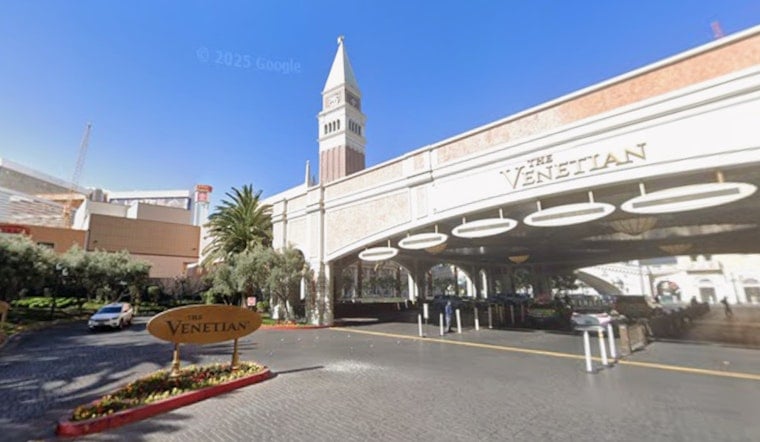
The Venetian Resort Las Vegas is quietly shopping about $2.35 billion in fresh debt as it looks to rejigger its balance sheet, according to people briefed on the talks. The potential package includes a roughly $1.175 billion term loan and about $1.175 billion of other secured debt tied to the property.
As reported by Bloomberg, the timing lines up with a friendlier market for higher-yield credit, where investors have been more willing to fund deals from companies that sat out the rougher patch in recent years. The talks are private and based on information from a person with direct knowledge of the process.
The operating business of the Venetian was acquired in 2022 by funds managed by Apollo Global Management as part of a larger transaction that carved the real estate away from the day-to-day casino and hotel operations. In a press release, Apollo Global Management detailed how the deal separated the operating company from the ownership of the land and buildings.
VICI Properties has since been the landlord and has kicked in capital for upgrades on-site. In May 2024, the REIT agreed to provide up to $700 million for reinvestment at the resort, including room renovations and convention center improvements, VICI said.
Why It Matters
If the refinancing comes together, it would reset the Venetian’s debt calendar and could trim near-term borrowing costs, depending on final pricing and market conditions. That would free up more cash for already planned projects, bolstering a property that anchors a busy stretch of the Strip.
In Las Vegas, big renovation budgets usually mean visible construction, fresh work for local contractors and trades, and a bump in hourly jobs tied to the overhaul of rooms and convention facilities. A deal of this size would keep one of the city’s flagship resorts active on that front.
How The Deal Could Be Structured
The reported approach pairs a syndicated term loan with additional secured notes, a setup that often leans on high-yield bond buyers to fill out the capital stack. As Bloomberg notes, these kinds of borrowings can feature junk bonds when companies want to push out maturities or reprice existing obligations.
Formal offering documents have not surfaced publicly yet, and the structure, pricing, and mix of term loans and secured debt are likely to evolve as bankers pitch the deal to lenders and bond investors. Filings and Wall Street chatter should fill in the blanks once the Venetian and its advisers lock down final terms.


