

























































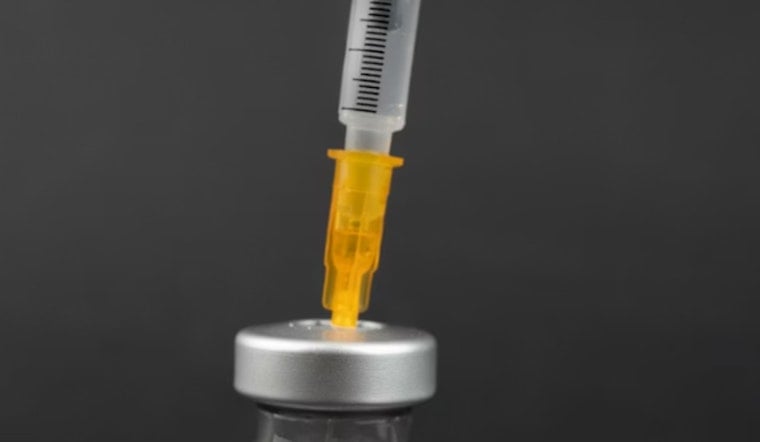
Texas medical regulators are gearing up for a major shakeup in how ketamine is used across the state, rolling out proposed rules that would shut down at-home injections and tighten control over clinic-based treatments. The draft would require clinics to register with the state, upgrade monitoring, and keep a physician immediately available during parenteral ketamine sessions. Supporters frame it as a needed safety update as ketamine therapy spreads. Critics say it could gut access, especially for rural patients who rely on telehealth. The Texas Medical Board is expected to vote on the proposal in June.
What the proposal would require
The proposed rules carve out a new subchapter for “psychotropic ketamine therapy,” defined specifically as parenteral ketamine delivered by IV, intramuscular injection, or subcutaneous injection. Any clinic that offers those treatments would have to register with the Texas Medical Board and meet minimum staffing, training, and monitoring standards.
According to the proposed language in the Texas Register, clinics would need continuous physiologic monitoring, specific equipment on hand, and written protocols for informed consent and adverse-event reporting. In other words, no more casual drip setups in minimally equipped offices.
Clinics warn of closures and higher costs
Clinic operators and industry advocates say the new rules could hit their bottom line and their patient load hard. The draft includes a cap on how many patients can be treated at once when a physician is not physically on site, which providers say would cut capacity and drive up costs.
They warn that the extra overhead, combined with the on-site requirements, could push prices up by hundreds of dollars per session. Banning at-home parenteral ketamine, they argue, would fall hardest on rural and low-income patients who already pay out of pocket for care, according to The Texas Tribune.
Regulators and providers trade views
Texas Medical Board president Sherif Zaafran has repeatedly stressed that the goal is to tighten safety without shutting off all access to ketamine. He told News4SanAntonio that patients would still be able to use lower-risk formulations at home, saying that “patients at home would still be able to obtain oral ketamine or intranasal ketamine.”
Some clinicians welcome tighter rules around higher-risk uses. Psychiatrist Dr. Kathryn McNeil, whose clinic provides the FDA-approved nasal product Spravato, told the same outlet that close supervision is key, adding, “Being monitored is more important.”
Federal safety rules and the Spravato distinction
At the federal level, the landscape looks a bit different. Esketamine, sold as Spravato, is FDA-approved for certain forms of treatment-resistant depression, but it can only be dispensed through a restricted Risk Evaluation and Mitigation Strategy program. That program requires the drug to be administered in certified health care settings, with patients observed after dosing.
The FDA has also raised red flags about safety risks tied to compounded intranasal ketamine and has cautioned clinicians about unapproved at-home use, according to the FDA.
Timeline and how to weigh in
The proposed rules first appeared in the Texas Register in January, kicking off the formal rulemaking process. The board’s schedule currently lists a full medical board meeting in June, where members could adopt the rules as written, amend them, or send them back for more work.
Members of the public, ketamine clinics, and lawmakers can submit comments through the board’s rulemaking channels. Details on how to comment and when the board will meet are available on the Texas Medical Board website.
Legal and practical impacts for clinics
If the rules are adopted, clinics that provide psychotropic ketamine therapy would have to keep detailed adverse-event logs, renew their PKT registrations every two years, and comply with board audits and inspections.
The proposed text is blunt on one key point: “Any home use, prescribing, or administration of parenteral ketamine is prohibited.” That line, combined with the registration, monitoring, and equipment requirements, would significantly change how many Texas ketamine clinics do business and give regulators a more direct route to audits and enforcement when standards are not met, according to the Texas Register.





