

























































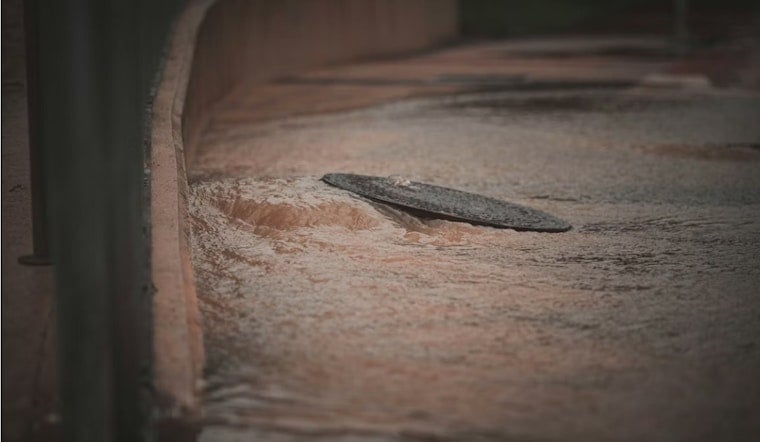
Over the weekend, West Seventh Street did its best impression of the Trinity River. Viral videos showed the busy Fort Worth entertainment strip swallowed by fast-moving water, cars drifting out of parking spots, and people slogging through waist-deep floodwater. Neighbors and apartment residents watched from garage doors and balconies as the water rose in minutes, a visceral reminder for many that the drains beneath the street still cannot keep up with a big storm.
As reported by CBS News Texas, footage from last night showed vehicles floating, water above waist level, and residents scrambling to higher ground. One witness told reporters, "There were cars floating, there were people walking knee deep in water, it was really crazy." The scenes quickly sparked urgent questions from residents about whether long-planned fixes will arrive in time to stop a repeat performance. City staff said crews responded to the flooding and were monitoring known trouble spots after the storm.
A decades-old problem
City engineers say the West 7th corridor has been a trouble spot for years, largely because the underground storm-drain network is undersized while the area above it has steadily filled in with pavement, buildings, and parking lots. Less grass and soil mean more water racing straight into drains that were never designed for this much development.
The Linwood and West 7th Flood Mitigation project carries a price tag of $110,000,000 on the City of Fort Worth capital-projects page. That entry lists project development underway now, design planned for later this year, construction scheduled to start in 2029, and full delivery sometime in the early 2030s. A 2023 budget briefing lays out phased funding options, including potential bond revenues and changes to stormwater fees, that city staff say would be needed to speed up design and construction, according to a City of Fort Worth memo.
Why fixes will take time
Even officials acknowledge the scale of the job. Local reporting has noted that the city estimates it would take more than $1 billion to address the most flood-prone areas across Fort Worth, a hole so deep no single fee hike or bond program can fill it. The relatively modest stormwater-fee increases approved in recent budgets are intended to split new dollars between maintenance and capital projects, but that money only covers the early phases of great efforts and is not enough to stop flash flooding citywide, according to the Fort Worth Report. Those financial realities are a big part of why crews are pursuing phased improvements instead of a sweeping overhaul all at once.
Residents and next steps
For people who live and work along West 7th, the concerns are far less abstract. The weekend storm left behind stalled cars, blocked driveways, and damaged property. City stormwater staff say they routinely clear inlets and step up maintenance before major storms, and officials are asking the public to weigh in as they piece together a longer-term strategy, including an online survey for residents to rank their priorities, city spokespeople told CBS News. For now, officials are urging people to steer clear of standing water and to report clogged drains quickly so crews can get there before West 7th looks like a river again.





