

























































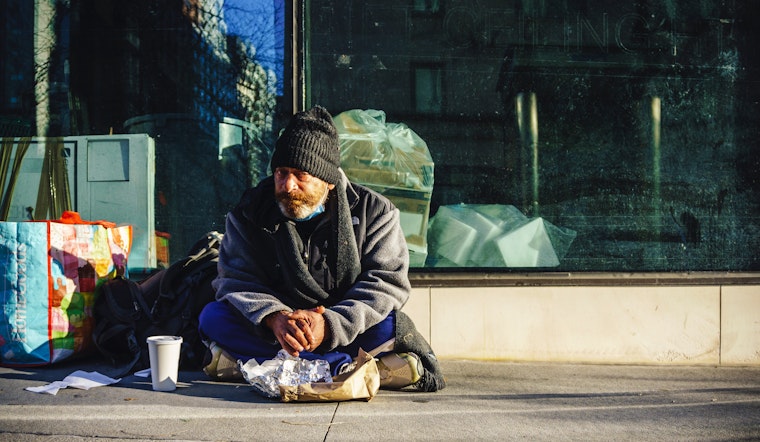
A new study from the University of California, San Francisco (UCSF) challenges stereotypes and unearths the real stories of homeless individuals in California. Contrary to assumptions about their backgrounds, the majority of the state's homeless population are Californians who were living in poverty until they suddenly lost their homes, painting a multifaceted and complex picture of the issue.
According to The New York Times, there are many myths about the homeless in California, such as: they're from out-of-state, they don't want to work, or they choose to be homeless. The UCSF study, however, reveals that many of these individuals had jobs and struggled to make ends meet in the face of high living costs and a lack of affordable housing. When something went wrong and they lost their homes, many ended up on the streets, where they faced violence, poor health, and a desperate struggle to regain stability.
As noted in the study, most participants had been last housed in California, with nearly 75% living in the same county where they had lost their housing. The homeless Californians in the study were found to be disproportionately older, Black, or Native American, suggesting that certain demographics are overrepresented among the state's homeless population.
Dr. Margot Kushel, the study's lead researcher and director of the Benioff Homelessness and Housing Initiative at UCSF, points out that California's homeless crisis is primarily driven by a combination of deep poverty and high housing costs. The study shows that most interviewees did not see their eviction coming until just a few days prior, and almost all of them desired a permanent home and employment. In many cases, an extra $300 a month could have helped them avoid homelessness or find a way out of it.
To gain a comprehensive understanding of the homeless population in California, the research team focused on eight diverse counties around the state, surveying 3,200 adults and conducting in-depth interviews with 365 of them. The study dates back to 2019 when Dr. Mark Ghaly, California's secretary for health and human services, enlisted Kushel to examine the consequences of state policies on the homeless and identify those who may have been overlooked.
An important aspect of the research was the involvement of former homeless individuals like Claudine Sipili, who helped guide the study and ensure that participants were treated with dignity during the interview process. Sipili believes that the study's findings can help change public perceptions of homelessness, as it reinforces the idea that these individuals are not solely responsible for their situations. Instead, systemic issues and insufficient resources play a significant role in perpetuating the homelessness crisis.
While initiatives to address homelessness in California have made progress over the years, this new study underscores the need for targeted policies and actions to help the state's most vulnerable citizens escape the "personal doom loop" that Kushel describes. As society gains a more nuanced understanding of the stories and backgrounds of homeless individuals, perhaps we can begin to dismantle the stereotypes that have hindered progress and work together to find lasting solutions to this complex issue.





