

























































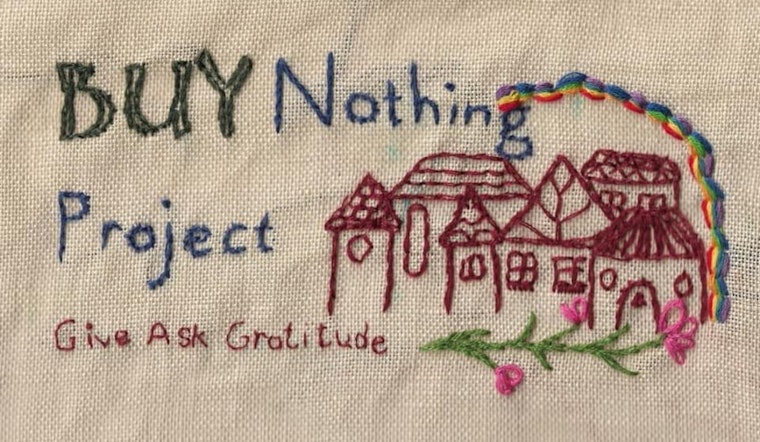
The Buy Nothing movement, an alternative economic system, is gaining traction among those seeking a more sustainable and equal society. This grassroots initiative challenges the prevailing cycle of production and disposal that permeates contemporary life. Boston.com reports a surge in participation across differing geographical regions, with individuals freely exchanging goods or services without monetary transactions.
Since its inception in 2013, the official Buy Nothing Project has made a significant impact. Structured through Facebook, these localized groups prioritize community relationships while striving to increase access to essential and non-essential items. Participants are encouraged for reduce, for promoting environmental sustainability and communal welfare.
The movement has exponentially grown across the United States and globally, evidenced by local variants appearing in numerous communities worldwide. As per Boston.com, Massachusetts alone has over 200 groups, adhering to the larger Buy Nothing philosophy. These platforms deepen personal engagement, transforming fleeting interactions into more meaningful connections.
In the Boston.com piece, the story of Cecelia from Brighton, who successfully repurposed her extraneous bedframe through an Everything Free Facebook group, serves as an illustrative example. Echoing similar sentiments, Monica from Somerville emphasizes the sense of community created by the movement, reinforcing its potential to enhance individual lives and community cohesion.
As the societal and ecological effects of excessive consumerism loom large, people seek alternative lifestyles and interactions. The Buy Nothing movement presents an opportunity to diminish waste, recycle resources and foster sincere community engagement. A participant from Leominster, Colleen S, succinctly puts, "I love Buy Nothing...Times are hard for too many... It is how I wish the whole world would be."
Further expanding its global gift economy, the Buy Nothing Project has launched an official app, as mentioned on their website. The app, designed to foster free connections and increase opportunities for exchange, complements the Facebook groups instrumental in the movement's growth.
As part of their commitment to preserving the ethos of these online communities, rules encourage free giving and respect towards neighbors. The Buy Nothing initiative serves to remind us of the potential in individual and collective efforts, more so as we move towards a sustainable future. Shashank from Andover notes wisely: "These groups promote community living by reducing the industrial churn and carbon footprint, recycling usable things in the community..." An attestation of the potential of collective action, the Buy Nothing movement reinforces the resilience of human empathy.





