

























































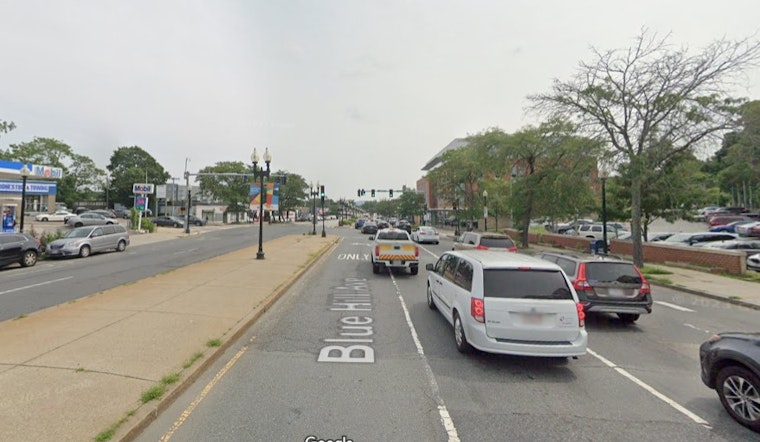
The Streets Cabinet of Boston revealed the findings of a 20-month community engagement process yesterday, October 11, for the Blue Hill Avenue's future. Blue Hill Avenue is a critical corridor connecting Roxbury, Dorchester, and Mattapan neighborhoods. The City of Boston says these findings will inform the Blue Hill Avenue Transportation Action Plan. This plan is a collaborative effort involving various agencies including the MBTA, the BPDA, and the Mayor’s Offices of Economic Development and Housing.
More than 2,000 comments from over 23,000 participating households from the corridor community were collected during the engagement process. These comments represent 12% of the project area residents. Primary concerns included travel safety issues, lack of respect among travelers, potential negative impacts from infrastructure investment on residents and businesses. Notably, the need for a thriving civic and commercial corridor along Blue Hill Avenue was emphasized.
The Boston Transportation Department (BTD), acting on the community's feedback, proposed two alternative design approaches for consideration in June: the “multimodal corridor” and the “enhanced existing conditions.”
Jascha Franklin-Hodge, Chief of Streets, underlined the significance of Blue Hill Ave. as a vital conduit that connects diverse communities. During rush hour, he stressed, the primary mode of travel in this area is by bus with 96% of its riders either walking or biking to access the service. Franklin-Hodge stressed for the necessity of a multimodal corridor approach that simultaneously addresses community concerns, supports local businesses, and offers safer and more reliable transport options.
The summary report's findings will be unveiled to the public and elected officials later this fall, and a final decision on the design direction is anticipated by the year's end. Collaboration with communities along the corridor will continue as the city finalizes the design based on public feedback.
MBTA General Manager and CEO, Phillip Eng, backed working with the city to augment safety, access, and vitality along the corridor. Committing to the multimodal design approach, Eng foresees it providing superior service for over 35,000 current bus riders and an expansion of the Bus Network Redesign.
As it serves more than 37,000 passengers daily, Blue Hill Ave. ranks among the MBTA network's most frequented bus routes. It provides crucial access for the residents of Roxbury, Dorchester, and Mattapan to various destinations. Rising safety concerns caused by inadequate crosswalks led to its inclusion in the city's High Crash Network.
In response to these issues, the City of Boston secured a $15 million RAISE Grant from the federal government in 2021 for Blue Hill Ave's transformation. The city then initiated its engagement process to gather resident experiences and preferences for the final design. This process eventually gave rise to the proposals for a multimodal corridor and enhanced existing conditions, as previously reported.




